Womb Care Massage in Singapore for Postpartum Recovery

Womb Care Massage in Singapore for Postpartum Recovery

Womb care massage in Singapore generally refers to focused abdominal massage used in some postpartum wellness practices, whilst full-body postnatal massage works across broader areas of the body. These treatments are not interchangeable: womb massage centres on the abdomen as a focused treatment, while a full-body session is intended to address comfort and tension across the body; neither should be confused with medical uterine massage used after childbirth.

If you’re considering womb care massage Singapore, it helps to understand what the treatment involves and when postpartum massage may be appropriate. This guide explains what womb massage involves, how it differs from full-body postnatal massage, and what to consider before a session, so you can make an informed choice that feels right for your body and recovery.

Key Takeaways

  • Learn how traditional postpartum routines may include daily womb massage in the initial weeks, with frequency easing as recovery progresses.
  • Understand why timing matters: postpartum womb massage is delayed until stitches have healed, bleeding has decreased significantly and you feel physically and emotionally ready.
  • See why traditional use and limited scientific evidence are different considerations when deciding whether this treatment suits you.
  • Compare the timing and focus of womb massage with full-body postnatal massage, which is usually offered 1-2 weeks after delivery with medical clearance.

What is Womb Massage Therapy?

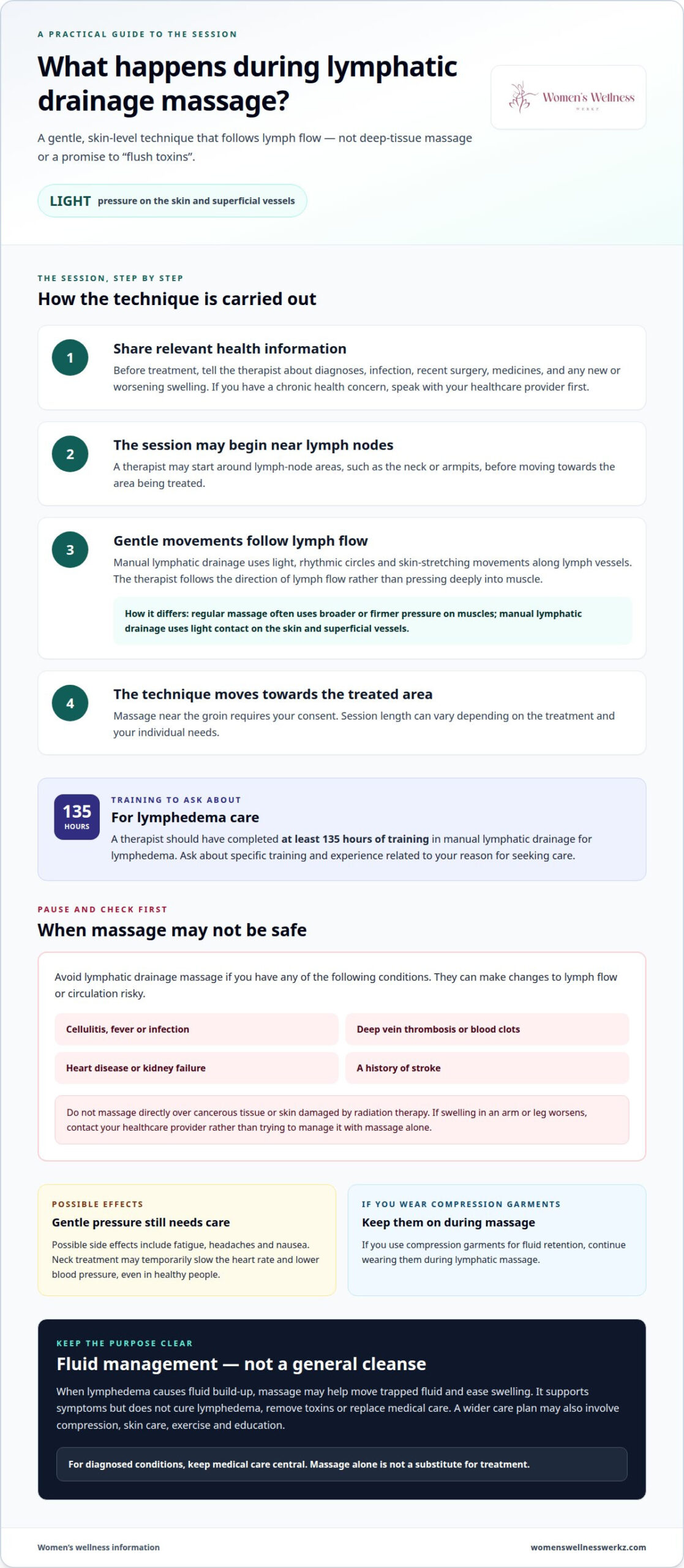
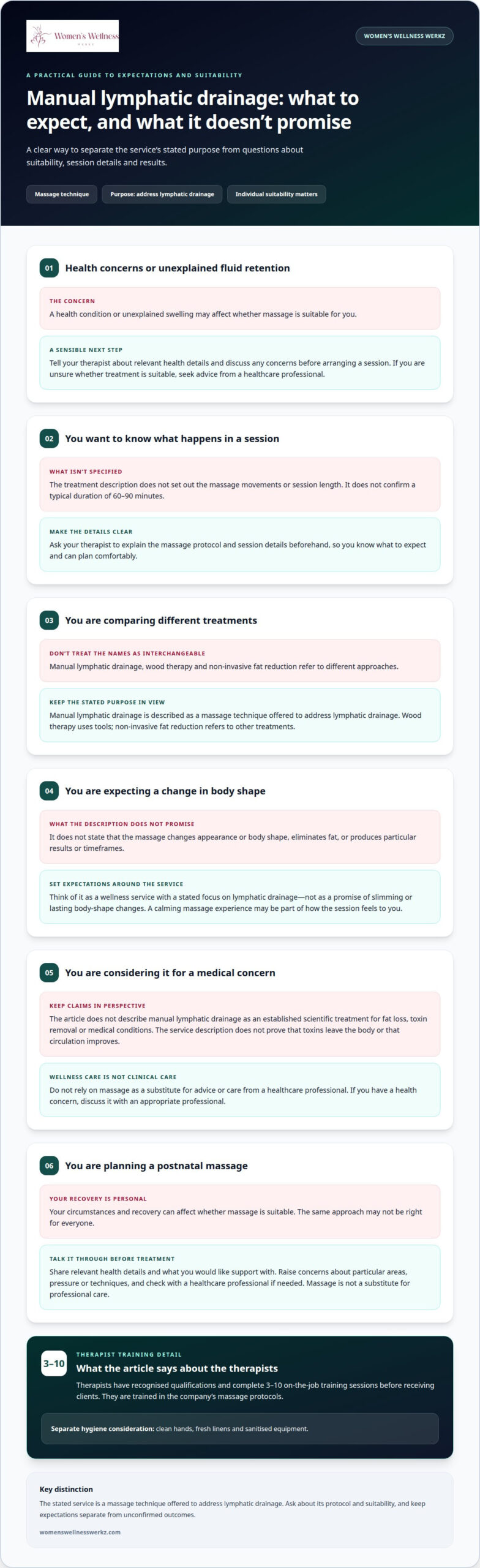
Womb massage is a focused abdominal treatment associated with traditional postpartum care. A practitioner massages around the abdomen to encourage relaxation and ease tension. It is a wellness treatment, not the medical uterine massage used shortly after childbirth to help prevent excessive bleeding.

The treatment description does not set a recommended massage frequency or schedule. If you are considering a session, ask the provider about the approach and discuss what feels comfortable for you. The description does not state when after childbirth you may begin treatment or set eligibility criteria. Ask the provider about these details before booking.

The description does not specify how womb massage relates to fertility treatment or whether it is suitable alongside IVF or IUI. If you are receiving fertility treatment, discuss the proposed massage with your healthcare provider. The description does not say that womb massage is a substitute for medical care.

The treatment description does not list circumstances in which massage should be avoided, or provide information about massage-related risks. Ask the provider about any concerns you have before a session. The description does not give details about practitioner credentials, so you can ask the provider about their training, experience and qualifications.

Providers may work at a wellness centre or offer massage at clients’ locations, so check whether the service focuses on postpartum abdominal care. The treatment description does not set eligibility rules or provide guidance on recovery stage, symptoms or fertility treatment. Share relevant health concerns with the provider before a session, and ask whether the treatment is suitable for you.

Evidence and traditional postpartum practices

Postpartum care may involve different forms of support, including wellness massage. A wellness massage is not a diagnosis or treatment for a reproductive health condition. Claims about abdominal massage restoring the uterus or improving circulation should not be taken as established outcomes. If you are considering massage after childbirth, you can ask what the treatment involves and what it is intended to support.

Medical care and wellness massage are separate. A massage protocol describes the techniques used to deliver a service; it does not establish a medical purpose or outcome. Traditional explanations may also describe postpartum massage in particular ways, but they should not be treated as evidence that massage changes the body. Keeping these distinctions clear can help you assess information about postpartum care and decide what questions to ask.

Traditional postpartum routines and the explanations associated with them can vary. If you are considering a practice because of a family custom or personal preference, ask the provider to explain what the session involves. Do not assume that massage affects fertility, hormones or blood flow. If you have a symptom, fertility concern or postpartum complication, discuss it with a healthcare professional before deciding whether massage is appropriate for you.

Vaginal fumigation is the process of directing herb-infused steam or heat through the vagina. It is a separate practice from massage, and the terms should not be used interchangeably. Do not assume that Vaginal fumigation improves reproductive health. If a symptom, fertility concern or postpartum complication is why you are considering a treatment, discuss it with a healthcare professional.
Womb Care Massage in Singapore for Postpartum Recovery

What postpartum womb massage involves

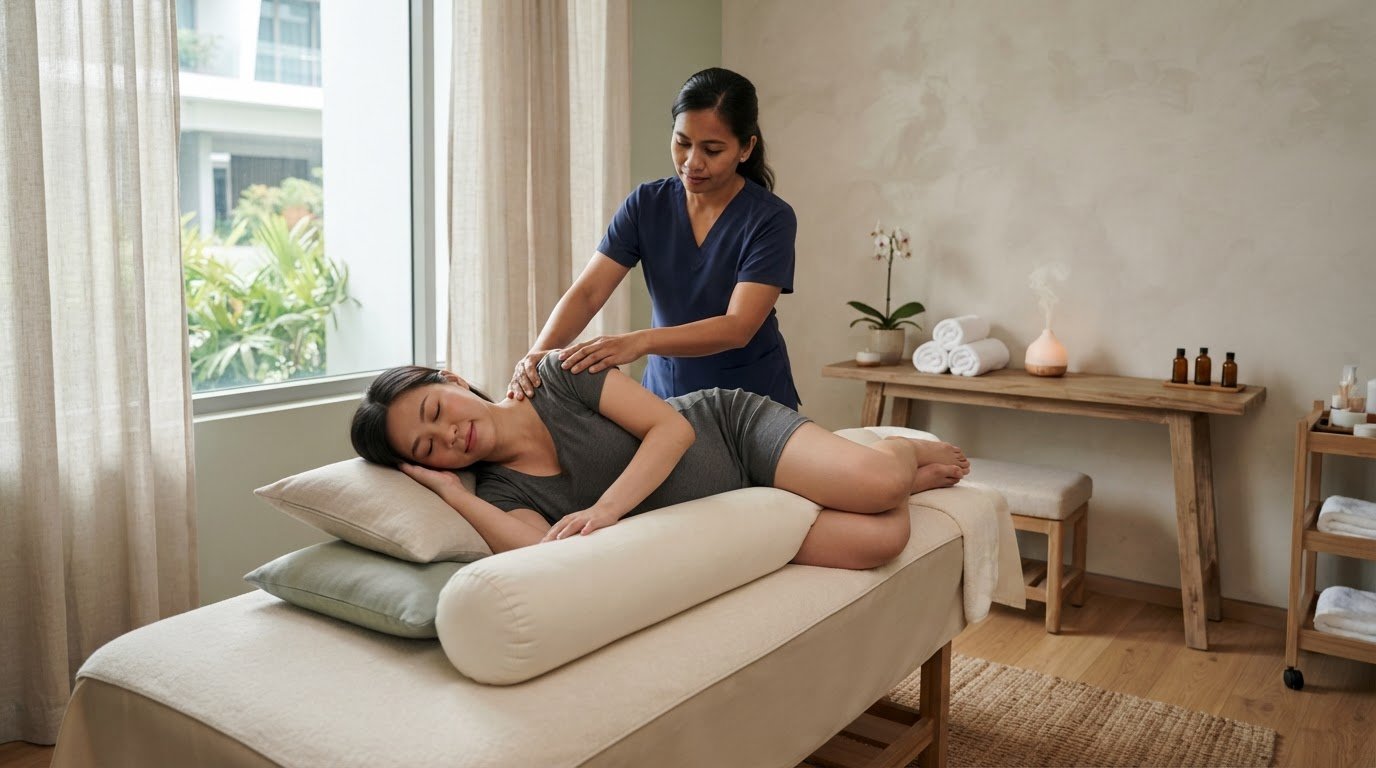
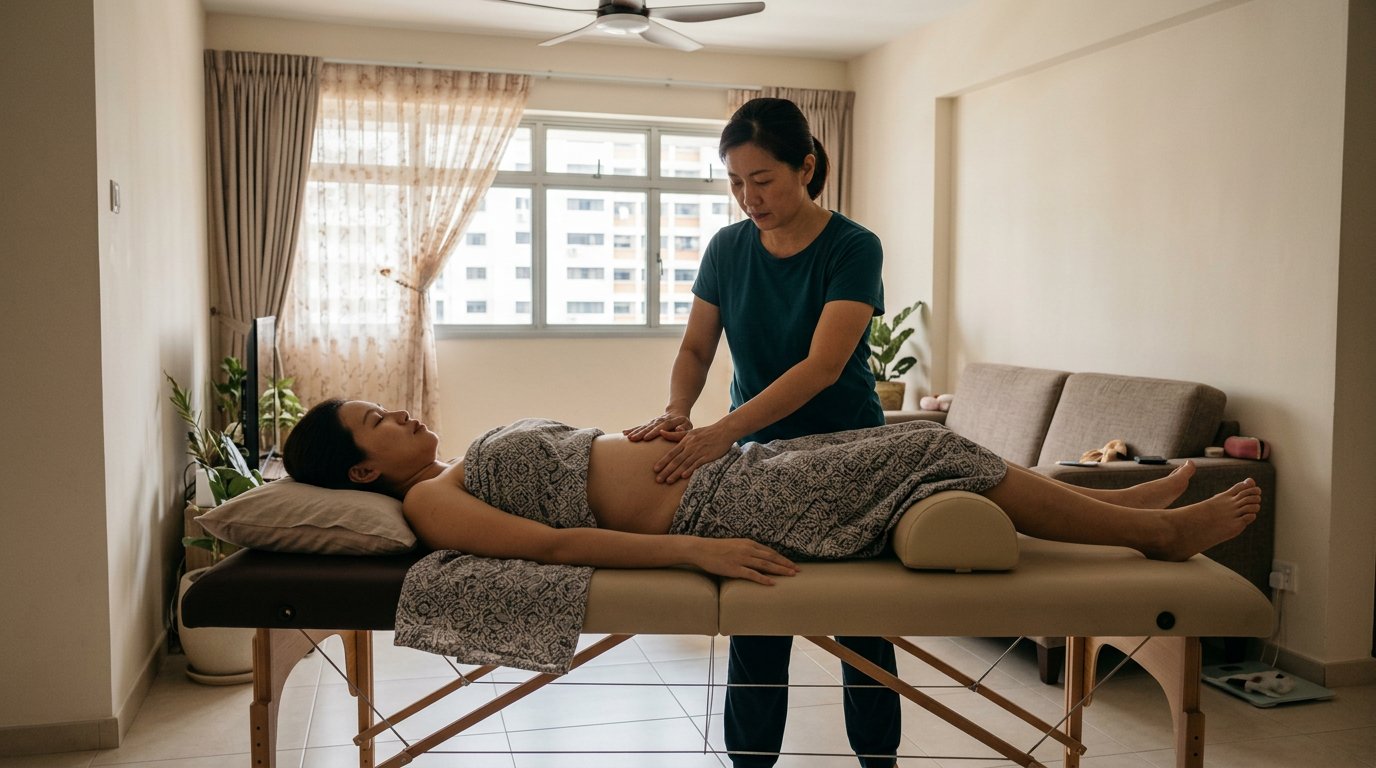
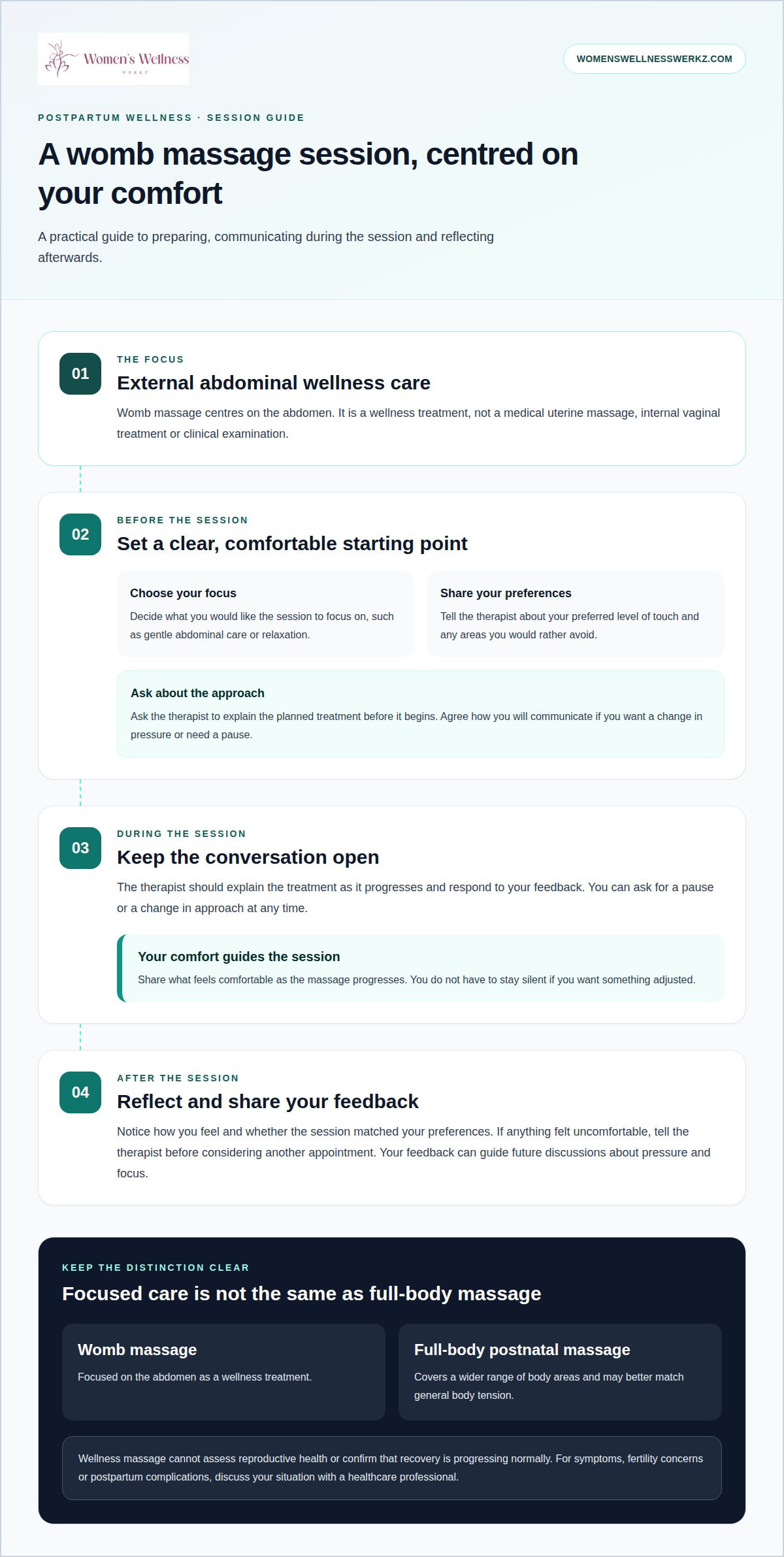
A postpartum womb massage session centres on abdominal wellness care. You can discuss your comfort, priorities and preferred level of touch with the therapist.

Preparing for a Session

Before your appointment, decide what you hope the session will focus on, such as gentle abdominal care or relaxation. Tell the therapist about your preferences and any areas you would rather avoid. This gives you both a clear starting point and keeps the treatment centred on your comfort.

Ask the therapist to explain the planned approach before the session begins. Agree on how you’ll communicate if you want the pressure changed or need a pause. Clear expectations help you take part in decisions about your care, rather than having to guess what will happen next.

During the session, the therapist should explain the treatment as it progresses and respond to your feedback. You can ask for a pause or a change in approach at any time. The focus is external abdominal massage, not an internal vaginal treatment or clinical examination. The session should be a conversation about comfort, not something you have to endure in silence.

After the Session

Afterwards, take a moment to notice how you feel and whether the session matched your preferences. If anything felt uncomfortable, tell the therapist before considering another appointment. Your feedback can guide future discussions about pressure and treatment focus. Keep expectations grounded: wellness massage cannot assess reproductive health or confirm that recovery is progressing normally.

You can discuss the session’s focus and your preferred level of touch with the therapist. The massage is external abdominal care, and you can ask for a pause or change in approach at any time.

Womb massage compared with full-body postnatal massage

The main difference is the area receiving attention. Womb massage focuses on the abdomen, while full-body postnatal massage covers a wider range of body areas. This distinction can help you decide what to discuss with a therapist. Focused abdominal care may suit your priorities; a broader session may better match general body tension.

Think about where you feel tension rather than choosing by the treatment name alone. If you mainly want attention around your abdomen, a focused approach better matches that priority. If discomfort spans your shoulders, back and legs, a full-body treatment covers a broader area. Describing your needs helps set a useful focus for the session.

The experience also differs in how much of the body is addressed. Abdominal massage concentrates touch in one area, while a full-body session distributes attention across several areas. Neither approach is automatically more suitable. Your comfort with abdominal touch, the areas you want addressed and your recovery needs all shape the decision.

Before deciding, state your main goal plainly: focused abdominal care, or wider relaxation and attention to body tension. Note which areas feel sensitive and which you would like included. This gives the therapist practical guidance for discussing the treatment focus, instead of relying on assumptions about what either massage can achieve.

Choose the approach that best matches your current priority. A full-body session is not simply a longer version of abdominal massage, and focused care does not address every area of tension. The useful distinction is the treatment area and your comfort with it. Clear expectations help you decide which type of postnatal massage feels more appropriate.

Women’s Wellness Werkz

Women’s Wellness Werkz offers postnatal massage to support your wider recovery, with care shaped around your comfort and needs. Its Postnatal Massage Package and Combo Massage Package are options to consider if you want massage support after childbirth. These are wellness services, not treatments for reproductive health conditions.

Your conversation with a therapist can cover what you’re hoping to address, such as general body tension or the kind of relaxation you need. Share your recovery stage, any areas of discomfort, and relevant health concerns before the session. This helps the therapist understand your priorities and deliver the company’s massage protocols with appropriate attention to your comfort.

Therapists are qualified and trained to deliver these protocols. Their therapist training includes 3-10 on-the-job sessions before they are assigned clients. Massage sessions take place at clients’ locations, which may make it easier to receive care in a familiar setting while you’re adjusting to life after birth.

Massage is wellness support, not medical obstetric or gynaecological care. If you have ongoing bleeding, uterine concerns or another medical issue, seek medical guidance before arranging postnatal massage. When you’re ready to consider a session, explain your needs and recovery clearly so the therapist can keep your comfort in mind. The right choice is one that fits your current needs without promising a particular recovery result.

Contact Women’s Wellness Werkz to discuss postpartum massage options.

Frequently Asked Questions

How it works?

A therapist-led session is shaped around your stated comfort and recovery priorities. Before the massage begins, agree on the area in focus and how you’ll signal if you want the pressure changed. You can ask for a pause if a movement feels uncomfortable. This shared approach keeps your preferences clear throughout the session, rather than treating it as a fixed routine.

How many sessions are recommended?

There isn’t one session count that applies to every woman. Women’s Wellness Werkz offers a three-session Postnatal Massage Package; this is a package format, not a medical recommendation for womb massage. When considering a plan, distinguish between choosing a package and deciding how many sessions suit your recovery. Your comfort and changing needs matter more than completing a set number.

Should You Eat or Drink Beforehand?

Choose familiar food and drink that leave you comfortable before the appointment. If you take medication with food, follow its instructions rather than changing your routine for massage. Let the practitioner know if nausea or abdominal sensitivity affects your comfort. That gives them useful context for discussing the session without asking you to follow a special diet or skip a meal.

What is womb care massage in Singapore, and what does it involve?

The term describes a wellness approach to abdominal massage after childbirth, rather than a formal medical procedure. The phrase alone doesn’t define the exact sequence or pressure used. For a practical understanding, focus on the treatment area and whether the approach reflects your comfort. Women’s Wellness Werkz offers postnatal massage options, separate from medical reproductive care.

How much does womb care massage cost in Singapore, and what packages are available?

Women’s Wellness Werkz offers a Postnatal Massage Package and a Combo Massage Package. The package names describe service formats, not guaranteed results or medical treatment. If you’re considering womb-related wellness care, discuss which massage support matches your priorities, and keep wellness massage separate from assessment or treatment of reproductive health conditions.

How long is a womb care massage session, and how many sessions are recommended?

Each massage appointment requires an uninterrupted 1.5 hour block. Allow the full period when planning around childcare or other commitments. The length of one appointment and the number of visits are separate considerations: a package may group appointments, but that doesn’t establish a universal session count for womb massage. Your recovery and comfort inform that decision.
How to Prepare for a Newborn Infant Massage Session

How to Prepare for a Newborn Infant Massage Session

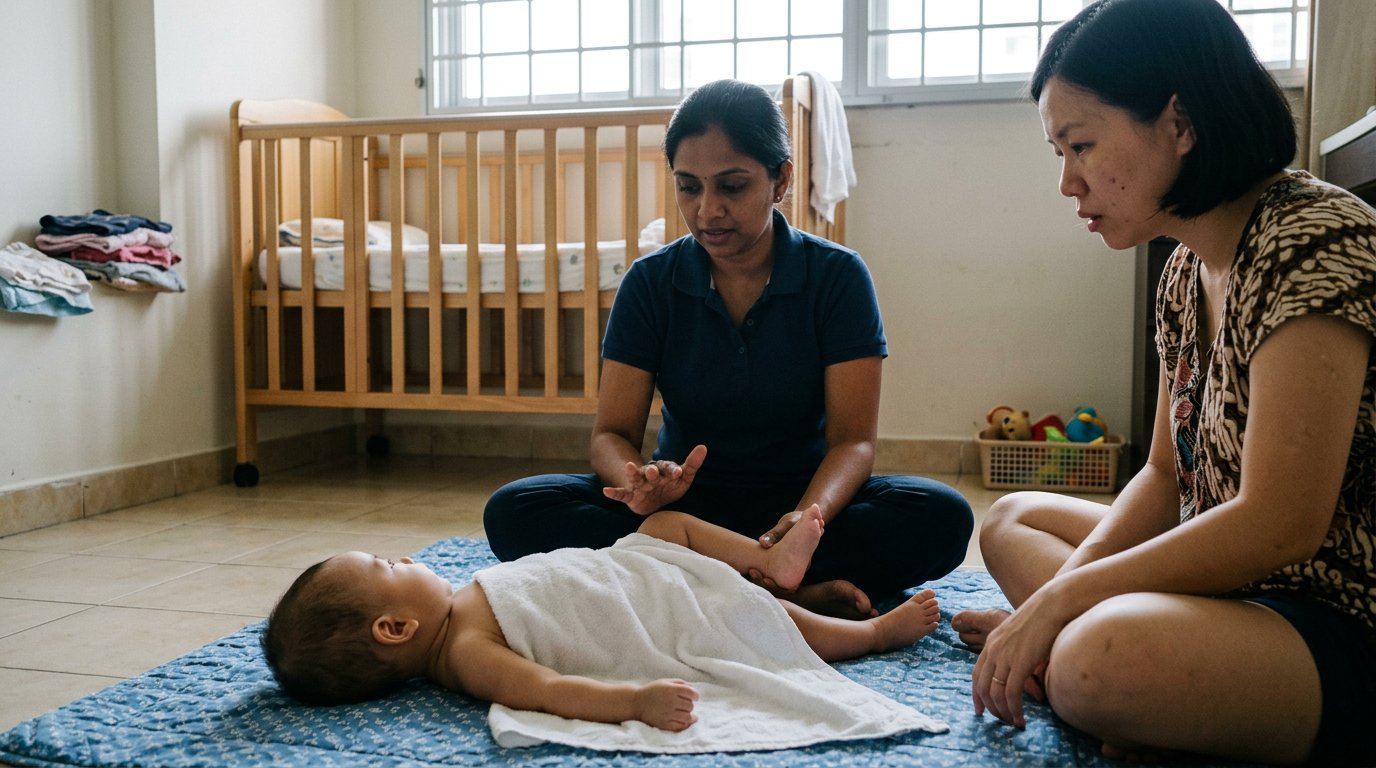
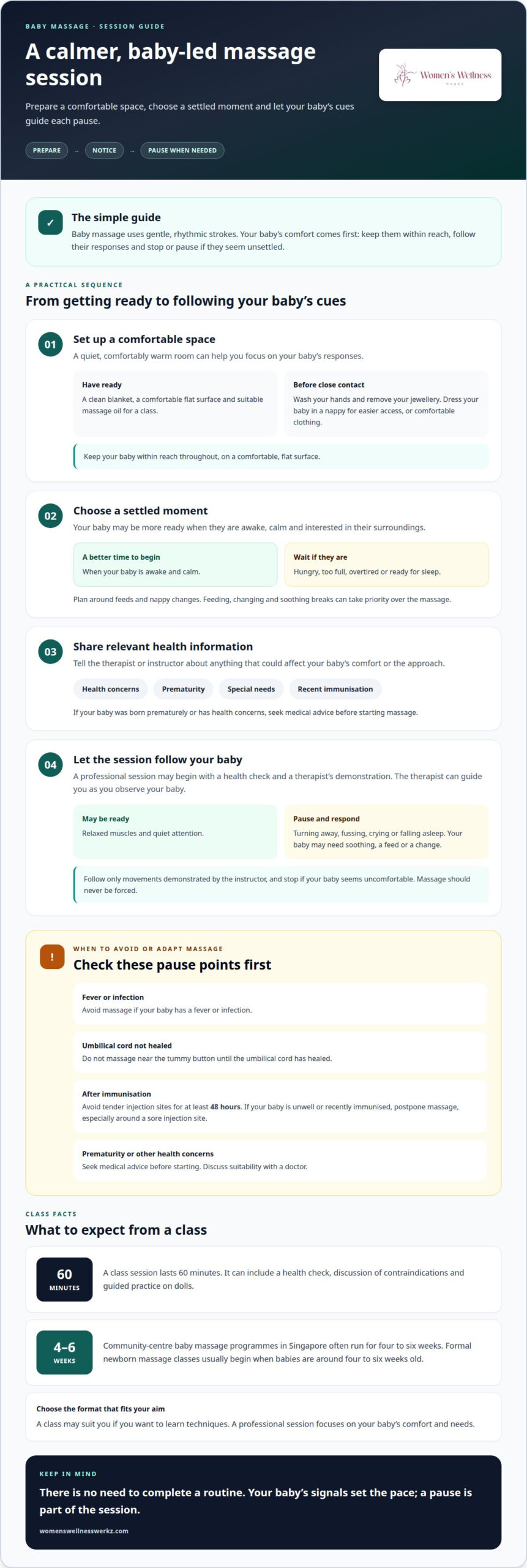
For a newborn infant massage session, prepare a comfortable, warm space, a clean blanket and your baby in a nappy or comfortable clothing. Plan around feeds and nappy changes, and tell the therapist about anything that could affect your baby’s comfort.

Massage is generally best when your baby is awake and calm, rather than hungry or overtired. The professional should follow your baby’s cues, pausing if they need soothing, a feed or a change. This guide covers what to prepare, timing and the room, what to expect, and when to avoid massage, such as if your baby has a fever or infection or their umbilical cord has not healed.

Key Takeaways

  • Prepare a clean blanket and have your baby comfortably dressed; a calm, warm setting can help the session feel more settled.
  • Choose a time when your baby is awake and calm, rather than hungry, overtired or too full.
  • Let your baby’s cues guide the pace. Feeding, nappy changes and soothing breaks can be part of the experience.
  • Gentle massage may offer a quiet opportunity for comfort and connection, while a professional can guide you on suitable preparation and timing.

What is baby massage?

Baby massage uses gentle, rhythmic strokes on your baby’s body. You can use the time to notice your baby’s responses and keep the experience at a pace that feels comfortable for them.

  1. Understand what massage involves. Baby massage uses gentle, rhythmic strokes. Your baby’s responses can guide the pace, so keep the focus on their comfort rather than expecting a particular result.
  2. Choose a calm environment. A quiet, comfortably warm room helps you focus on your baby’s cues. Settle your baby on a comfortable, flat surface and keep them within reach throughout. A peaceful setting also makes it easier for the therapist to pause if your baby becomes unsettled, tired or ready for a feed.
  3. Use the moment to connect. Look at your baby, speak softly or hum while the therapist demonstrates gentle strokes. Your baby’s expressions, movements and sounds can guide the pace. This shared attention gives you time to focus on your baby, making the experience personal rather than rushed.
  4. Keep possible benefits in perspective. Each baby responds differently to massage. In Singapore, formal newborn massage classes usually begin when babies are around 4 to 6 weeks old. A newborn infant massage session should suit your baby’s readiness and comfort.
  5. Recognise when to pause. Avoid massage if your baby has a fever or infection, and don’t massage near the tummy button until the umbilical cord has healed. After immunisation, avoid tender injection sites for at least 48 hours. If your baby was born prematurely or has health concerns, seek medical advice before starting massage.

What to expect on arrival at a baby massage class

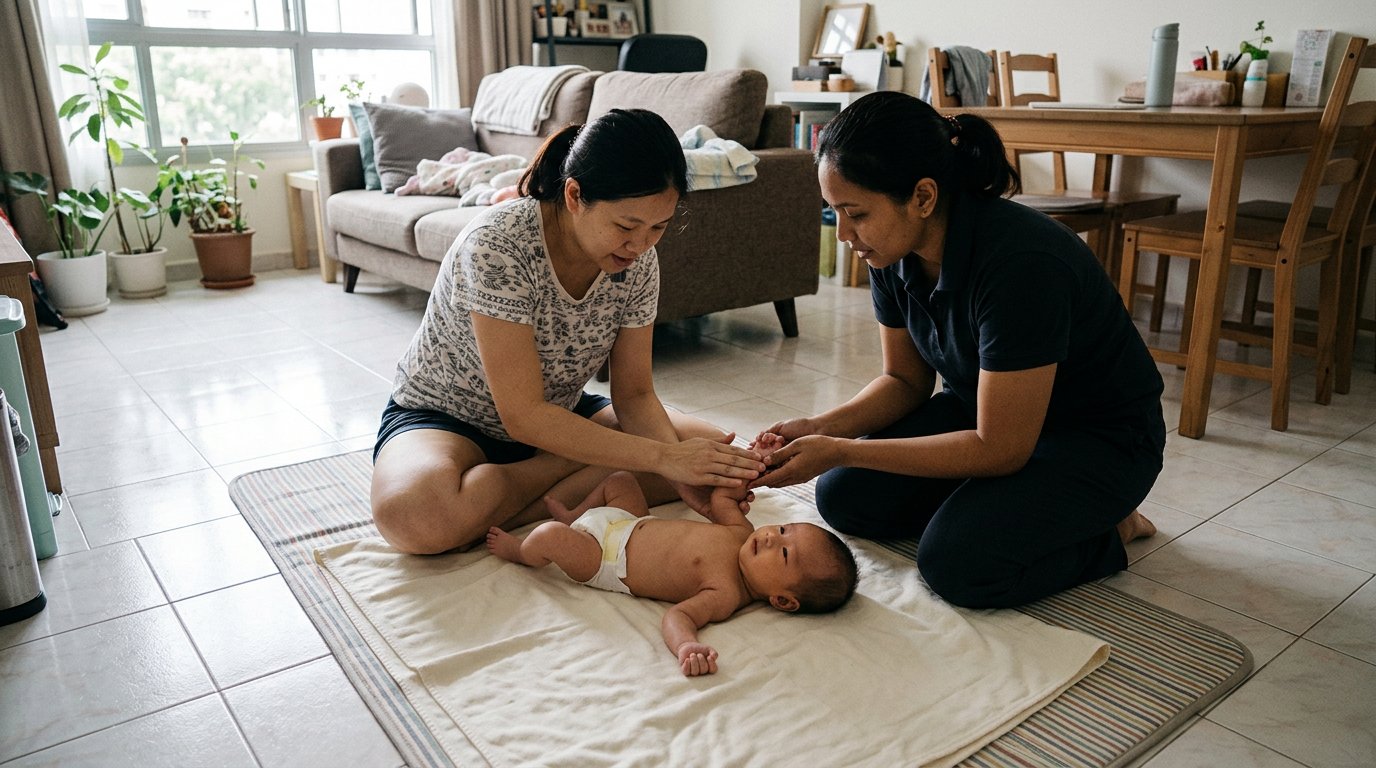
A professional session may begin with a health check, followed by a therapist’s demonstration. The therapist guides you while you observe your baby’s comfort and responses. A class session lasts 60 minutes; bring your baby, a blanket and suitable massage oil.

  1. What to Bring and Prepare for a Professional Baby Massage Session

    Bring your baby, a blanket and good-quality oil, and dress your baby in a nappy for easier access. Remove your jewellery and wash your hands before close contact. Tell the instructor about health concerns, prematurity or special needs, so the approach can be discussed with appropriate care. If your baby is unwell or recently immunised, postpone massage, especially around a sore injection site.

  2. Review class options and duration

    Consider the format before choosing: community centres in Singapore offer baby massage programmes that often run for four to six weeks. Each class session lasts 60 minutes. This allows time for a health check, discussion of contraindications and guided practice on dolls. A class may suit you if you want to learn techniques; a professional session focuses on your baby’s comfort and needs.

  3. Follow your baby’s direction. Notice their face, body and sounds. Relaxed muscles and quiet attention may signal readiness; turning away, fussing or falling asleep means pause. The instructor should soothe a crying baby and never force massage. Feeding and nappy changes can take priority, so allow the session to follow your baby’s needs.
  4. Ask how movements are adapted. For a baby with special needs, prematurity or health concerns, discuss suitability with a doctor before starting. In class, an instructor may demonstrate strokes on a doll, then guide your practice. Follow only the movements demonstrated by the instructor, and stop if your baby seems uncomfortable.

Bonding between mothers and babies

During a professional massage, your attention, voice and gentle touch can help make the experience feel shared. Keep your baby’s responses at the centre, and pause when needed.

  1. Stay close and attentive. Sit where your baby can see your face during the therapist’s demonstration. Notice whether they look towards you, relax their hands or turn away. These small responses help you understand how your baby is feeling. Your calm presence and the therapist’s gentle guidance make the session a chance to practise attentive communication, not simply watch a sequence of movements.
  2. Use your voice as part of the interaction. Speak softly, hum or sing while the therapist guides the massage. A familiar lullaby or a few reassuring words can create a gentle rhythm for you and your baby. Pause when your baby looks away or becomes unsettled. Responding to those cues helps your baby experience touch alongside your voice and expressions.
  3. Let your baby set the pace. Ask the professional to show a movement, then follow their guidance only while your baby seems comfortable. For example, your baby might watch your face during a gentle hand stroke, then need a pause. That pause is part of bonding too: it shows you are responding to your baby’s signals rather than completing a routine.
  4. Carry the connection into everyday care. After learning with a professional, you can bring the same calm attention to ordinary moments, such as changing or settling your baby. A quiet bedtime cuddle, eye contact and a soft voice can support familiar communication without needing massage. Keep the focus on relaxed interaction; babies vary in how much touch and attention they enjoy.

How to Prepare for a Newborn Infant Massage Session

Massage and infant sleep routines

Gentle massage may become a quiet part of your baby’s routine. Choose a moment when your baby is relaxed and alert, rather than hungry or ready to sleep.

  1. Choose a settled time. A baby who is awake, calm and interested in their surroundings may be more ready to connect. Avoid starting when your baby is hungry, too full or due for sleep. MAM mentions massage about one hour before or after a meal, or after a bath; treat this as external guidance, not treatment advice, and watch your baby’s responses rather than relying on the clock.
  2. Keep early practice brief. Begin with two or three minutes once a day, then let your baby’s comfort guide whether to continue. A familiar morning or evening routine can make the movements predictable. Massage is not a replacement for your usual settling routine. Consistency matters more than extending a session when your baby is no longer engaged.
  3. Allow time after feeding. A 30 to 45-minute wait after a feed is sometimes suggested for babies with reflux, but this is not treatment advice here. If your baby seems unsettled during a session, stop and soothe them instead of continuing the techniques.
  4. Keep massage separate from bedtime pressure. A gentle session can be part of a relaxed evening, but don’t massage a baby who is already tired or falling asleep. Guidance about combining a bath and massage before 5 months of age, or giving a massage after a bath after 5 months, is not provided here as treatment advice. Follow your baby’s cues, since children respond differently.

Women’s Wellness Werkz

Women’s Wellness Werkz offers massage support for women during pregnancy and after childbirth. If you are preparing for baby massage and also seeking care for your own recovery, its trained therapists deliver established massage protocols at clients’ locations. The Prenatal Massage Package, Post-natal Massage Package and Combo Massage Package may suit your stage of life; Breast Massage is another option for women seeking breast care.

These services focus on your wellbeing and do not replace medical care or infant-specific guidance. Consider them if you want professional support alongside practical preparation for your baby’s session. The team focuses on women’s wellness and recovery, with care tailored to the treatment you choose.

Contact Women’s Wellness Werkz to discuss your needs.

Take the next step at your pace

A newborn infant massage session can be one part of settling into life with your baby. You might start by considering what support would help you as a parent, without expecting every day or routine to go perfectly. A calm conversation can help you think through your needs and what kind of care suits this stage of life.

Women’s Wellness Werkz offers a Post-natal Massage Package, Combo Massage Package and Prenatal Massage Package. Its qualified therapists are trained to deliver the business’s massage protocols, with care tailored to the chosen treatment. These services support women’s wellness during pregnancy and after childbirth, while baby massage remains a separate, infant-focused consideration.

If you’d like to discuss your wellness needs, contact Women’s Wellness Werkz. You can take things one gentle step at a time.

Frequently Asked Questions

When should you start?

Formal baby massage classes in Singapore commonly begin when a baby is around 4 to 6 weeks old. A newborn infant massage session is best planned for a calm, alert moment, rather than when your baby is hungry or overtired. If you’re considering a class, its instructor can explain how demonstrations and practice are paced for young babies.

Why Choose an Infant Massage Therapist in Singapore?

A trained infant massage therapist can guide you through gentle handling and help you recognise when your baby needs a pause. This may be especially helpful before your first massage, when you are still learning how your baby responds to touch. A professional class may also demonstrate techniques on a doll before you practise with your baby.

Are there babies who shouldn’t have massage?

Skip massage when your baby has a fever or infection, and don’t massage near the navel until the umbilical cord has healed. After immunisation, tender injection areas can remain sore, so avoid massaging them for at least 48 hours. If your baby was born prematurely or has health concerns, speak with a doctor before beginning massage.

Do parents need prior experience to attend a class?

You do not need previous massage experience to attend a class. Instructors can demonstrate movements on a baby doll and guide you as you learn. Ask for clarification if a stroke feels unfamiliar, then take time to notice your baby’s response. The aim is to learn at a comfortable pace, not to perform every movement perfectly.

When can a newborn safely start infant massage?

Wait until your baby’s umbilical cord has healed before massaging near the tummy button. Newborns are usually ready for gentle massage from around 4 weeks after birth, provided the navel has healed well. If your baby is unwell, has a fever or has specific health concerns, pause and seek medical advice before starting.

What techniques are used in a newborn massage session?

A newborn infant massage session may include gentle, rhythmic strokes on areas such as the arms, legs, chest and back. For example, chest movements may travel outwards from the centre, then return in a heart shape. The therapist may demonstrate gentle abdominal strokes and adapt the techniques to your baby’s comfort and responses throughout.

How to Use Infant Massage for Better Sleep with Gentle Touch

How to Use Infant Massage for Better Sleep with Gentle Touch

Infant massage for better sleep works best as a gentle, cue-led part of a calming bedtime routine, not as a way to make every baby sleep on demand. A trained therapist can adapt the touch and timing to your baby’s age and responses, keeping the experience soothing and unhurried.

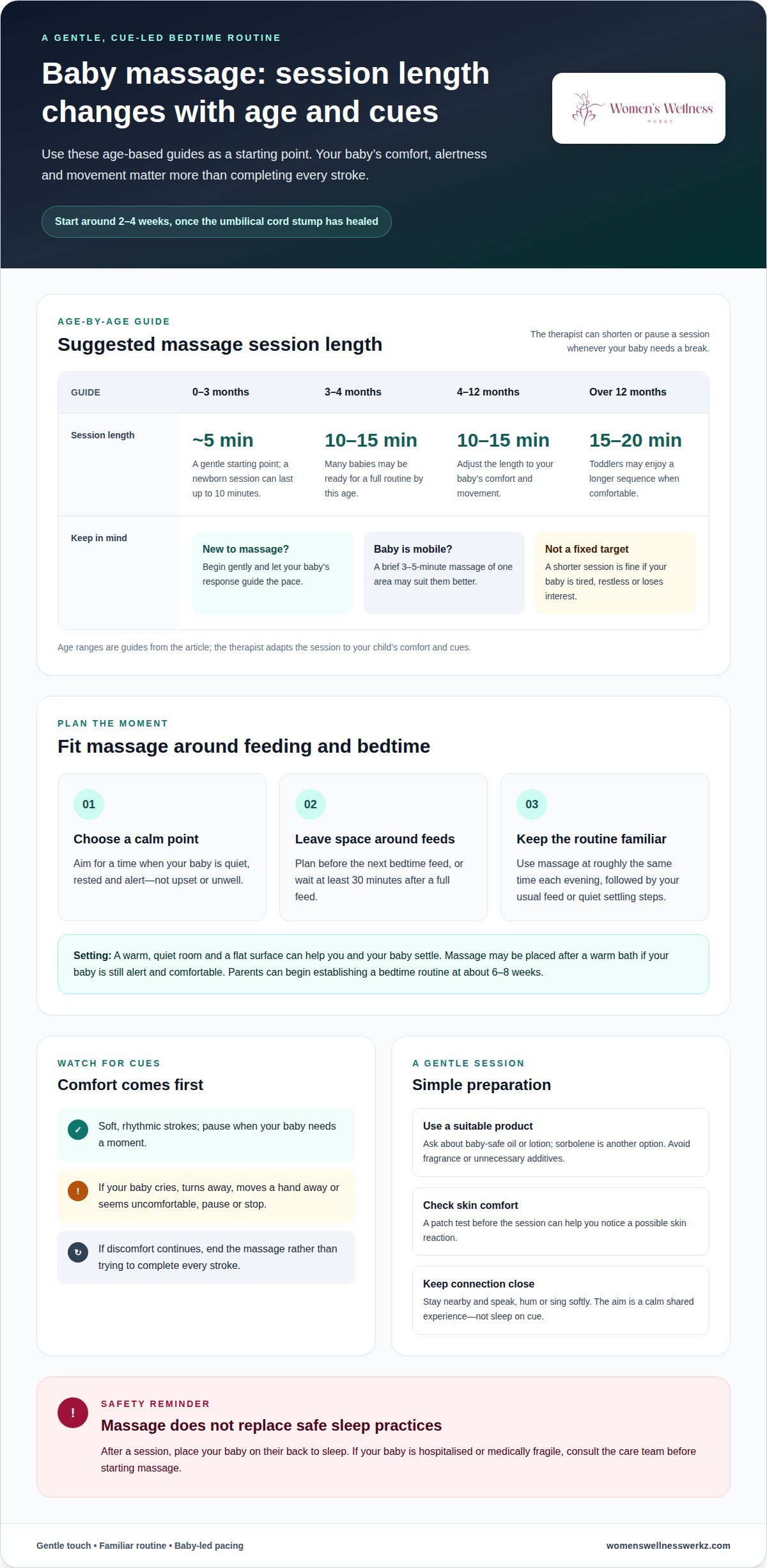
If you’re tired and hoping for a calmer evening, it can help to know that a session needn’t be long: for babies aged 0-3 months, starting with about five minutes of gentle massage is a practical approach. Your baby’s cues matter throughout; turning away, fussing or seeming uncomfortable are signs to pause rather than continue.

This guide explains how a therapist follows your baby’s cues, how session length can change as your baby grows, and how massage may fit around feeding and bedtime. You’ll also learn what a gentle session can involve, so you can approach this quiet moment with realistic expectations and more confidence.

Key Takeaways

  • A therapist can adjust gentle touch to your baby’s responses, making comfort cues more important than completing a full massage.
  • A calm, familiar bedtime routine can help make massage a soothing part of settling, without treating it as a promise of uninterrupted sleep.
  • Session length and timing can change with your baby’s age, alertness and feeding schedule.
  • Learn what to expect from a professional session and how Women’s Wellness Werkz’s Baby Massage may support a gentle, considered experience for your baby.

Following your baby’s cues during a professional massage

A professional session is guided by your baby’s comfort, not by completing every massage stroke. The therapist adjusts the pace, touch and duration in response to your baby.

  1. Choose baby-friendly massage oil for your baby’s session

    Ask the therapist to use a baby-safe oil or lotion, and avoid products with fragrance or unnecessary additives. A suitable cream or lotion, such as sorbolene, is another option. The therapist can warm a small amount between their palms before applying it, so it feels comfortable against your baby’s skin. A patch test before the session can help you notice a possible skin reaction.

  2. Notice how therapists follow your baby’s cues

    Choose a session when your baby is quiet, rested and alert, rather than upset or unwell. Parents can usually begin massage around 2-4 weeks old, after the umbilical cord stump has healed. For newborns aged 0-3 months, a gentle session can start at about 5 minutes. The therapist uses soft, rhythmic strokes and watches for signs of comfort. If your baby cries, turns away or seems uncomfortable, the therapist pauses or stops instead of continuing.

  3. Enjoy massage and bonding

    Stay close and speak, hum or sing softly while the therapist massages your baby. These small interactions can support bonding, communication and trust. The aim is a calm shared experience, not getting your baby to sleep on cue. Your baby may enjoy touch one moment and need a break the next. If massage feels difficult for either of you, pause and take a break from the routine. Attending gently to your baby’s responses helps keep this physical contact comfortable and unhurried.

How massage may help babies relax before sleep

Massage can be a calming part of bedtime, but it complements rather than replaces a consistent routine. After the session, place your baby on their back to sleep.

  1. Adapt a professional massage for mobile babies

    Ask the therapist to follow your baby’s movement instead of trying to hold them still. A mobile baby may prefer a brief massage of 3-5 minutes, with gentle strokes on one area while they remain comfortable. The therapist can pause when your baby wriggles, turns away or becomes upset, then stop if discomfort continues. For a baby who is hospitalised or medically fragile, consult the care team before starting massage.

  2. Fit a professional massage into a bedtime routine

    Work with the therapist to place massage at a calm point in the bedtime routine. A warm, quiet setting and a flat surface help you and your baby settle. Massage can take place before a bedtime feed or at least 30 minutes after a full feed. The therapist can keep the session gentle and responsive, then leave space for your usual settling steps.

  3. Keep the sequence familiar: use massage at roughly the same time each evening, followed by your usual feed or quiet settling routine. Parents can begin establishing a bedtime routine at about 6-8 weeks. Gentle touch may help babies relax and offers a quiet moment for emotional connection, but it isn’t a replacement for other sleep strategies. A therapist can adjust the amount of massage to your baby’s alertness and interest; a finger or hand movement away can signal that they need a pause.

    For a supported professional session, explore professional baby massage as one way to introduce gentle touch into your baby’s evening.

Best timing and massage session length by age

A therapist plans massage around your baby’s age, alertness and usual bedtime. Parents can usually start around 2-4 weeks after birth, once the umbilical cord stump has healed.

  1. Share your baby’s age and typical sleep pattern before the session. For newborns aged 0-3 months, begin with about 5 minutes; a newborn massage can last up to 10 minutes. By 3-4 months, many babies may be ready for a full 10-15-minute routine. For babies aged 4-12 months, sessions can last 10-15 minutes. Toddlers over 12 months may enjoy 15-20 minutes. The therapist adjusts the length to your child’s comfort and movement.
  2. Plan a professional massage around feeding

    Tell the therapist when your baby last had a full feed, then plan the session before the next bedtime feed or at least 30 minutes after feeding. This timing can reduce discomfort or spit-up risk. If your baby seems unsettled after feeding, the therapist can wait until they’re more comfortable rather than beginning massage straight away.

  3. Time a professional massage after a bath

    Arrange massage after a warm bath if your baby is still alert and comfortable. The therapist can gently dry and settle your baby first, then use soft, flowing techniques as part of the bedtime routine. A warm, quiet room can help keep the transition calm. If your baby becomes drowsy or restless, the therapist can shorten the session rather than trying to complete every stroke.

  4. Let your baby’s responses guide the timing, rather than relying on the clock alone. A short session may suit a baby who is becoming tired, while an alert baby may welcome a longer sequence. The therapist may use gentle strokes across the forehead or another comfortable area, pausing if your baby turns away or shows discomfort. A small amount of suitable lotion can help hands glide smoothly. These choices make massage easier to fit around your baby’s changing routine without treating it as a fixed sleep schedule.

How to Use Infant Massage for Better Sleep with Gentle Touch

Massage and infant sleep

Baby massage may offer a soothing transition towards sleep, but it is not a substitute for safe sleep practices. Stop if your baby seems uncomfortable, and seek guidance from the care team before massaging a hospitalised or medically fragile baby.

  1. Think of massage as one calming cue within a wider bedtime routine. A randomised trial included 123 mothers and babies aged 3 to 18 months, using 15-minute massages for one month alongside bedtime procedures. Research reports differences in sleep latency, night wakings and the longest continuous sleep period. This doesn’t mean massage will settle every baby in the same way.
  2. Notice whether gentle touch helps your baby relax, rather than judging success by how quickly they fall asleep. A smooth, comfortable stroke can make the session feel soothing. If your baby turns away, cries or remains unsettled, stop. Keep massage separate from sleep itself, and place your baby on their back to sleep after the session.
  3. Avoid massage when your baby is unwell or showing discomfort. If your baby is hospitalised or medically fragile, speak with the care team before starting. Keep touch gentle, and avoid pressing on soft spots on the head or applying direct pressure to the spine during a back massage.
  4. Use baby massage alongside, not instead of, other sleep practices. A familiar bedtime routine gives your baby repeated cues, while placing them on their back for sleep helps reduce the risk of sudden infant death syndrome or cot death. These steps serve different purposes: massage may be calming, while safe sleep positioning remains essential.

For gentle, professionally delivered baby massage support, explore a session suited to your baby’s comfort.

Women’s Wellness Werkz

Women’s Wellness Werkz offers massage therapies for women, including the Postnatal Massage Package, for mothers seeking support with their own recovery. Its qualified therapists are trained to deliver the company’s massage protocols and travel to clients’ locations.

If you’re exploring infant massage as part of a calmer bedtime, remember that it is a soothing routine, not a substitute for safe sleep practices or medical care. For your own postnatal wellbeing, a massage session can be a separate way to make space for rest and attentive care. The team also offers a Combo Massage Package, Prenatal Massage Package and Breast Massage.

For information about support for your postnatal wellbeing, contact Women’s Wellness Werkz.

Make space for a calmer next step

Using infant massage for better sleep can be one gentle choice within family life, not another task you need to perfect. Let your routine grow around what feels manageable for you and your baby, and allow quiet moments to matter even when bedtime doesn’t go to plan. Restful evenings are built through care and patience, not pressure.

If you’re also making space for your own wellbeing, Women’s Wellness Werkz’s team brings attentive experience to women’s massage care. Their Postnatal Massage Package, Combo Massage Package and Prenatal Massage Package offer options for different stages of your journey. A conversation can help you consider which form of support feels relevant to you now. Contact Women’s Wellness Werkz to discuss your needs, and take the next step at a pace that feels comfortable.

Frequently Asked Questions

Does infant massage help babies sleep better, and what does research show?

Infant massage for better sleep can form part of a calming routine, but it isn’t a guaranteed way to improve sleep. A bedtime-routine trial involving 123 mothers and babies aged 3 to 18 months used 15-minute massages for one month and reported differences in sleep outcomes, including night wakings. These findings support considering massage as one settling cue, alongside safe sleep practices.

How long before bedtime might a therapist schedule a baby’s massage, and how long may a session last?

A therapist can schedule massage before a bedtime feed or at least 30 minutes after a full feed. The session length depends on age and your baby’s comfort: newborns aged 0-3 months can start with about 5 minutes, while babies aged 4-12 months may have 10-15 minutes. For example, a therapist might plan a shorter session when your baby is already tired.

Which massage techniques may a therapist use for infants, and which should be avoided?

A therapist may use gentle, rhythmic strokes, beginning with a comfortable area such as the feet and adjusting to your baby’s responses. They should stop if your baby cries, turns away or remains unsettled. Avoid pressure on the soft spots on the head, direct pressure on the spine and massage of the genital area. Avoid massaging the navel until the cord stump has healed.

Which oils or lotions might a therapist use for infant massage, including in Singapore’s climate?

A therapist may choose a baby-safe, fragrance-free oil or lotion, or a suitable cream such as sorbolene. In Singapore’s warm, humid climate, the same gentle product-selection principles apply: avoid unnecessary additives and pure, concentrated essential oils. A small amount can be warmed between the palms before use. A patch test can help identify a possible skin reaction before a full session.

Is infant massage safe for premature babies or babies with medical conditions?

For premature or medically fragile babies, speak with the baby’s care team before starting massage. Their health and current condition determine whether touch is suitable and how it should be adapted. Avoid massage when your baby is unwell or upset, and stop if discomfort appears. This keeps the session responsive to your baby rather than tied to a fixed routine.

How does infant massage compare with other evidence-based baby sleep strategies?

Infant massage may help a baby relax as one calming cue in a familiar bedtime routine, but it is not a substitute for other sleep practices. Place babies on their backs for sleep; massage does not guarantee better sleep.

Infant massage for better sleep works best as a gentle, cue-led part of a calming bedtime routine, not as a way to make every baby sleep on demand. A trained therapist can adapt the touch and timing to your baby’s age and responses, keeping the experience soothing and unhurried.

If you’re tired and hoping for a calmer evening, it can help to know that a session needn’t be long: for babies aged 0-3 months, starting with about five minutes of gentle massage is a practical approach. Your baby’s cues matter throughout; turning away, fussing or seeming uncomfortable are signs to pause rather than continue.

This guide explains how a therapist follows your baby’s cues, how session length can change as your baby grows, and how massage may fit around feeding and bedtime. You’ll also learn what a gentle session can involve, so you can approach this quiet moment with realistic expectations and more confidence.

Key Takeaways

  • A therapist can adjust gentle touch to your baby’s responses, making comfort cues more important than completing a full massage.
  • A calm, familiar bedtime routine can help make massage a soothing part of settling, without treating it as a promise of uninterrupted sleep.
  • Session length and timing can change with your baby’s age, alertness and feeding schedule.
  • Learn what to expect from a professional session and how Women’s Wellness Werkz’s Baby Massage may support a gentle, considered experience for your baby.

Following your baby’s cues during a professional massage

A professional session is guided by your baby’s comfort, not by completing every massage stroke. The therapist adjusts the pace, touch and duration in response to your baby.

  1. Choose baby-friendly massage oil for your baby’s session

    Ask the therapist to use a baby-safe oil or lotion, and avoid products with fragrance or unnecessary additives. A suitable cream or lotion, such as sorbolene, is another option. The therapist can warm a small amount between their palms before applying it, so it feels comfortable against your baby’s skin. A patch test before the session can help you notice a possible skin reaction.

  2. Notice how therapists follow your baby’s cues

    Choose a session when your baby is quiet, rested and alert, rather than upset or unwell. Parents can usually begin massage around 2-4 weeks old, after the umbilical cord stump has healed. For newborns aged 0-3 months, a gentle session can start at about 5 minutes. The therapist uses soft, rhythmic strokes and watches for signs of comfort. If your baby cries, turns away or seems uncomfortable, the therapist pauses or stops instead of continuing.

  3. Enjoy massage and bonding

    Stay close and speak, hum or sing softly while the therapist massages your baby. These small interactions can support bonding, communication and trust. The aim is a calm shared experience, not getting your baby to sleep on cue. Your baby may enjoy touch one moment and need a break the next. If massage feels difficult for either of you, pause and take a break from the routine. Attending gently to your baby’s responses helps keep this physical contact comfortable and unhurried.

How massage may help babies relax before sleep

Massage can be a calming part of bedtime, but it complements rather than replaces a consistent routine. After the session, place your baby on their back to sleep.

  1. Adapt a professional massage for mobile babies

    Ask the therapist to follow your baby’s movement instead of trying to hold them still. A mobile baby may prefer a brief massage of 3-5 minutes, with gentle strokes on one area while they remain comfortable. The therapist can pause when your baby wriggles, turns away or becomes upset, then stop if discomfort continues. For a baby who is hospitalised or medically fragile, consult the care team before starting massage.

  2. Fit a professional massage into a bedtime routine

    Work with the therapist to place massage at a calm point in the bedtime routine. A warm, quiet setting and a flat surface help you and your baby settle. Massage can take place before a bedtime feed or at least 30 minutes after a full feed. The therapist can keep the session gentle and responsive, then leave space for your usual settling steps.

  3. Keep the sequence familiar: use massage at roughly the same time each evening, followed by your usual feed or quiet settling routine. Parents can begin establishing a bedtime routine at about 6-8 weeks. Gentle touch may help babies relax and offers a quiet moment for emotional connection, but it isn’t a replacement for other sleep strategies. A therapist can adjust the amount of massage to your baby’s alertness and interest; a finger or hand movement away can signal that they need a pause.

    For a supported professional session, explore professional baby massage as one way to introduce gentle touch into your baby’s evening.

How to Use Infant Massage for Better Sleep with Gentle Touch

Best timing and massage session length by age

A therapist plans massage around your baby’s age, alertness and usual bedtime. Parents can usually start around 2-4 weeks after birth, once the umbilical cord stump has healed.

  1. Share your baby’s age and typical sleep pattern before the session. For newborns aged 0-3 months, begin with about 5 minutes; a newborn massage can last up to 10 minutes. By 3-4 months, many babies may be ready for a full 10-15-minute routine. For babies aged 4-12 months, sessions can last 10-15 minutes. Toddlers over 12 months may enjoy 15-20 minutes. The therapist adjusts the length to your child’s comfort and movement.
  2. Plan a professional massage around feeding

    Tell the therapist when your baby last had a full feed, then plan the session before the next bedtime feed or at least 30 minutes after feeding. This timing can reduce discomfort or spit-up risk. If your baby seems unsettled after feeding, the therapist can wait until they’re more comfortable rather than beginning massage straight away.

  3. Time a professional massage after a bath

    Arrange massage after a warm bath if your baby is still alert and comfortable. The therapist can gently dry and settle your baby first, then use soft, flowing techniques as part of the bedtime routine. A warm, quiet room can help keep the transition calm. If your baby becomes drowsy or restless, the therapist can shorten the session rather than trying to complete every stroke.

  4. Let your baby’s responses guide the timing, rather than relying on the clock alone. A short session may suit a baby who is becoming tired, while an alert baby may welcome a longer sequence. The therapist may use gentle strokes across the forehead or another comfortable area, pausing if your baby turns away or shows discomfort. A small amount of suitable lotion can help hands glide smoothly. These choices make massage easier to fit around your baby’s changing routine without treating it as a fixed sleep schedule.

Massage and infant sleep

Baby massage may offer a soothing transition towards sleep, but it is not a substitute for safe sleep practices. Stop if your baby seems uncomfortable, and seek guidance from the care team before massaging a hospitalised or medically fragile baby.

  1. Think of massage as one calming cue within a wider bedtime routine. A randomised trial included 123 mothers and babies aged 3 to 18 months, using 15-minute massages for one month alongside bedtime procedures. Research reports differences in sleep latency, night wakings and the longest continuous sleep period. This doesn’t mean massage will settle every baby in the same way.
  2. Notice whether gentle touch helps your baby relax, rather than judging success by how quickly they fall asleep. A smooth, comfortable stroke can make the session feel soothing. If your baby turns away, cries or remains unsettled, stop. Keep massage separate from sleep itself, and place your baby on their back to sleep after the session.
  3. Avoid massage when your baby is unwell or showing discomfort. If your baby is hospitalised or medically fragile, speak with the care team before starting. Keep touch gentle, and avoid pressing on soft spots on the head or applying direct pressure to the spine during a back massage.
  4. Use baby massage alongside, not instead of, other sleep practices. A familiar bedtime routine gives your baby repeated cues, while placing them on their back for sleep helps reduce the risk of sudden infant death syndrome or cot death. These steps serve different purposes: massage may be calming, while safe sleep positioning remains essential.

For gentle, professionally delivered baby massage support, explore a session suited to your baby’s comfort.

Women’s Wellness Werkz

Women’s Wellness Werkz offers massage therapies for women, including the Postnatal Massage Package, for mothers seeking support with their own recovery. Its qualified therapists are trained to deliver the company’s massage protocols and travel to clients’ locations.

If you’re exploring infant massage as part of a calmer bedtime, remember that it is a soothing routine, not a substitute for safe sleep practices or medical care. For your own postnatal wellbeing, a massage session can be a separate way to make space for rest and attentive care. The team also offers a Combo Massage Package, Prenatal Massage Package and Breast Massage.

For information about support for your postnatal wellbeing, contact Women’s Wellness Werkz.

Make space for a calmer next step

Using infant massage for better sleep can be one gentle choice within family life, not another task you need to perfect. Let your routine grow around what feels manageable for you and your baby, and allow quiet moments to matter even when bedtime doesn’t go to plan. Restful evenings are built through care and patience, not pressure.

If you’re also making space for your own wellbeing, Women’s Wellness Werkz’s team brings attentive experience to women’s massage care. Their Postnatal Massage Package, Combo Massage Package and Prenatal Massage Package offer options for different stages of your journey. A conversation can help you consider which form of support feels relevant to you now. Contact Women’s Wellness Werkz to discuss your needs, and take the next step at a pace that feels comfortable.

Frequently Asked Questions

Does infant massage help babies sleep better, and what does research show?

Infant massage for better sleep can form part of a calming routine, but it isn’t a guaranteed way to improve sleep. A bedtime-routine trial involving 123 mothers and babies aged 3 to 18 months used 15-minute massages for one month and reported differences in sleep outcomes, including night wakings. These findings support considering massage as one settling cue, alongside safe sleep practices.

How long before bedtime might a therapist schedule a baby’s massage, and how long may a session last?

A therapist can schedule massage before a bedtime feed or at least 30 minutes after a full feed. The session length depends on age and your baby’s comfort: newborns aged 0-3 months can start with about 5 minutes, while babies aged 4-12 months may have 10-15 minutes. For example, a therapist might plan a shorter session when your baby is already tired.

Which massage techniques may a therapist use for infants, and which should be avoided?

A therapist may use gentle, rhythmic strokes, beginning with a comfortable area such as the feet and adjusting to your baby’s responses. They should stop if your baby cries, turns away or remains unsettled. Avoid pressure on the soft spots on the head, direct pressure on the spine and massage of the genital area. Avoid massaging the navel until the cord stump has healed.

Which oils or lotions might a therapist use for infant massage, including in Singapore’s climate?

A therapist may choose a baby-safe, fragrance-free oil or lotion, or a suitable cream such as sorbolene. In Singapore’s warm, humid climate, the same gentle product-selection principles apply: avoid unnecessary additives and pure, concentrated essential oils. A small amount can be warmed between the palms before use. A patch test can help identify a possible skin reaction before a full session.

Is infant massage safe for premature babies or babies with medical conditions?

For premature or medically fragile babies, speak with the baby’s care team before starting massage. Their health and current condition determine whether touch is suitable and how it should be adapted. Avoid massage when your baby is unwell or upset, and stop if discomfort appears. This keeps the session responsive to your baby rather than tied to a fixed routine.

How does infant massage compare with other evidence-based baby sleep strategies?

Infant massage may help a baby relax as one calming cue in a familiar bedtime routine, but it is not a substitute for other sleep practices. Place babies on their backs for sleep; massage does not guarantee better sleep.

Postnatal Jamu Massage Package for New Mothers

Postnatal Jamu Massage Package for New Mothers

Postnatal Jamu massage is a traditional practice that may combine massage with herbal paste and bengkung binding, a cloth wrap around the abdomen. A postnatal jamu massage package brings selected elements together, with the treatment plan and timing shaped around the service and your recovery.

It’s understandable to want a little clarity before making space for a treatment while caring for a new baby. This guide explains how the massage, paste and binding fit together, what session lengths and home visits may involve, and how package length and your type of birth can shape when to begin.

You’ll also find a gentle overview of what to expect, so you can consider whether this traditional approach feels comfortable for you and suits this stage of recovery.

Key Takeaways

  • Understand how herbal paste and bengkung binding may be incorporated into a Jamu treatment, and what to consider for comfort.
  • See how session length and home visits can shape a treatment plan around life with a newborn.
  • Learn what postnatal massage is intended to support, while keeping expectations grounded in your own recovery.
  • Use your type of birth and recovery stage to think through when to begin and what package length may suit you.

Jamu paste and abdominal bengkung binding

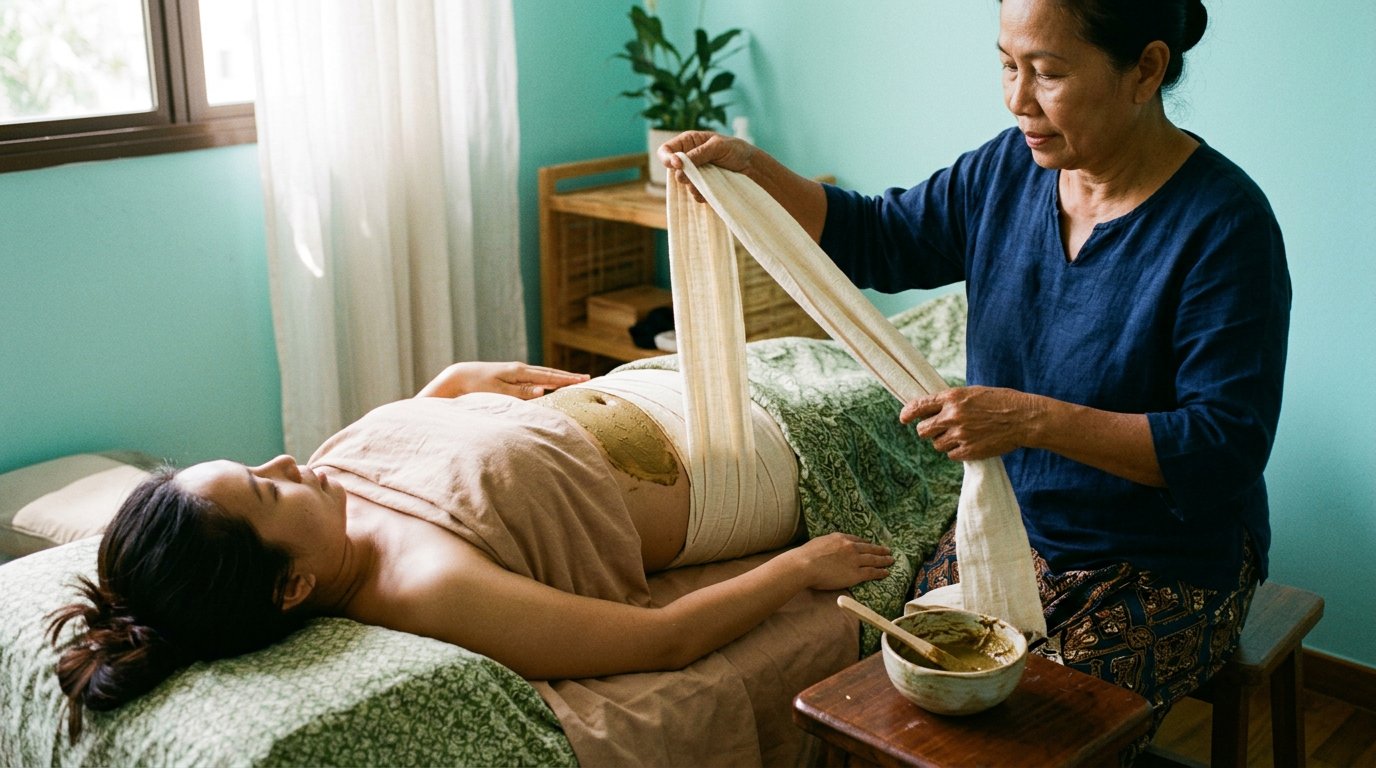
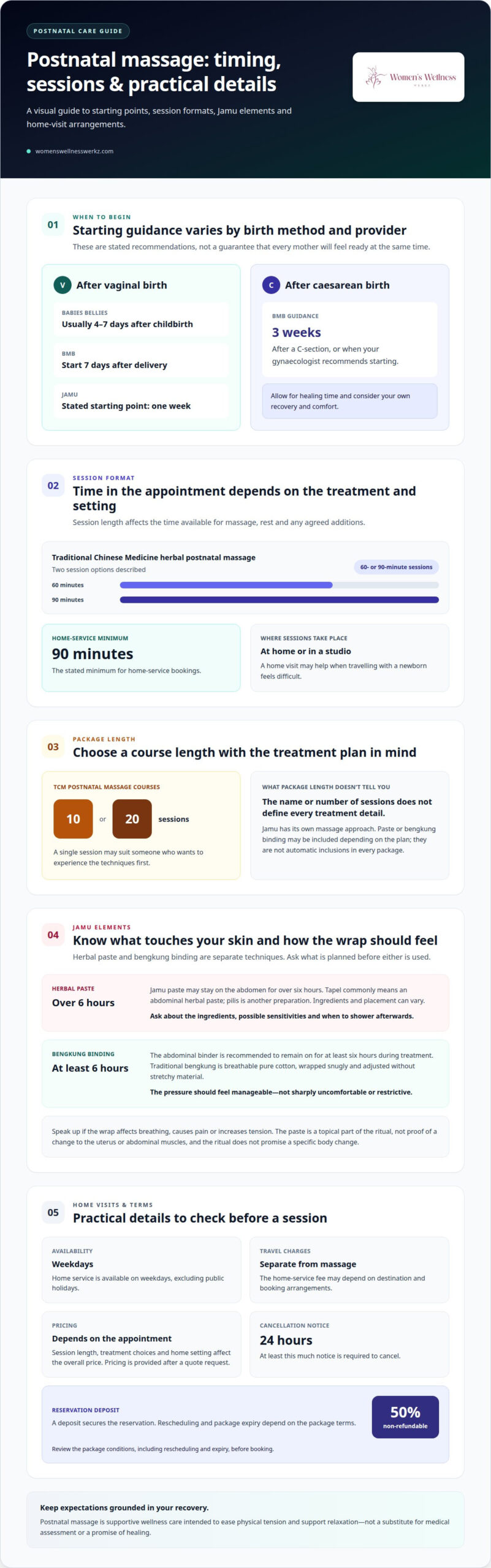
In a Jamu routine, herbal paste may be applied to the abdomen, followed by bengkung binding, a long cloth wrapped around the torso. These are separate techniques, so ask the practitioner to explain when each will be used and how the wrap should feel. Traditional bengkung is made from breathable pure cotton rather than plastic or elastic polyester. The cloth allows for a snug, adjustable wrap without stretchy material.

Jamu paste may stay on for over six hours, and the abdominal binder is recommended to remain on for at least six hours during treatment. Before application, identify the paste’s herbs and ingredients, as sensitivities or allergies may affect whether it feels suitable. The paste is a topical part of the ritual, not proof that massage changes the uterus or abdominal muscles. Pressure and wrapping should feel manageable, not sharply uncomfortable.

Tapel commonly refers to an herbal paste used on the abdomen; pilis is another preparation named in Jamu traditions. Ingredients and placement can vary, so the practitioner should explain each preparation before use. This helps you understand what will touch your skin and where. Mention any ingredient that has caused a reaction before the session begins.

If paste is part of the treatment, ask the practitioner when to shower afterward. This gives the paste time to remain on the skin as intended, if it is part of your treatment. Ease into the binding and speak up if it restricts your breathing, causes pain or increases tension. A calm, step-by-step explanation can also make the experience feel less emotionally overwhelming. The aim is a traditional comfort ritual, not pressure to stimulate the uterus or a promise of a specific body change.

Massage duration and home-visit add-ons

Postnatal massage appointments may take place at home or in a studio. Session length affects how much time is available for massage, rest and any agreed additions. Javanese Jamu and traditional Chinese postnatal treatments may differ, so the treatment name alone doesn’t tell you what a package includes. Ask the practitioner to explain the session plan before treatment begins.

A Traditional Chinese Medicine herbal postnatal massage is offered in 60-minute and 90-minute sessions. Home-service bookings have a 90-minute minimum, allowing time for treatment in your home. Massage after pregnancy also differs from prenatal care, so these session details relate to postnatal treatment.

A home visit can be helpful when travelling with a newborn feels difficult. Home service is available on weekdays, excluding public holidays. Transport charges are separate from the massage, and the home-service fee may depend on the destination and booking arrangements. The overall price depends on session length, treatment choices and whether the appointment is at home; Women’s Wellness Werkz provides pricing after a quote request.

A postnatal Jamu massage package may combine massage with traditional elements such as herbal paste or bengkung binding, depending on the treatment plan. These aren’t automatic inclusions in every package. The practitioner explains the planned steps before treatment begins.

To cancel, at least 24 hours’ notice is required, and a 50% non-refundable deposit secures a reservation. Rescheduling and package expiry depend on the package terms, so review those conditions before booking.

Choose a setting that suits your recovery and daily routine, then explore postnatal massage options to consider the care available.

What is Post-natal Massage?

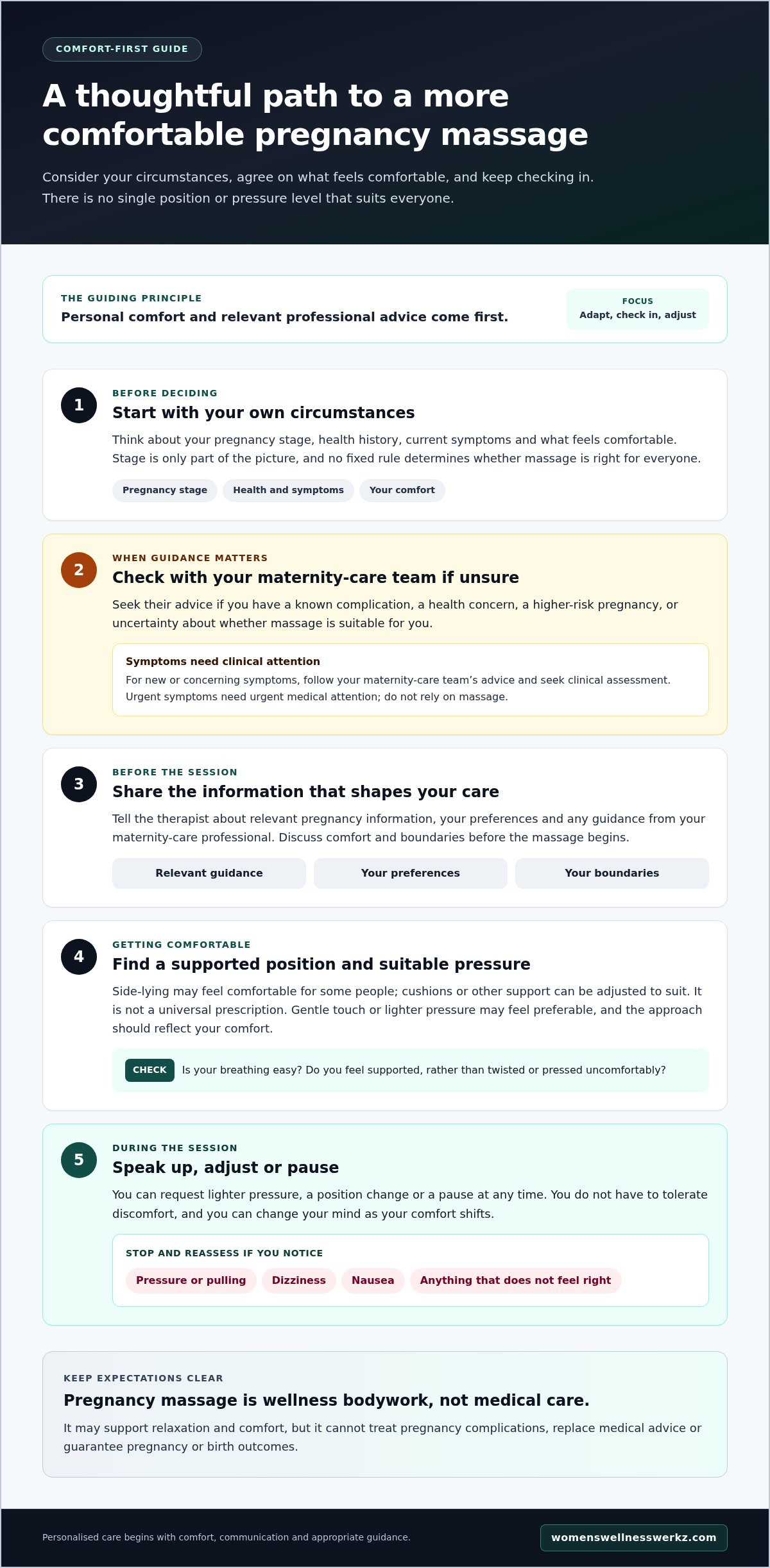
Postnatal massage is a hands-on wellness treatment during postpartum recovery. Its techniques and pressure should be adapted to your comfort and the areas being treated.

Massage Benefits and Claimed Effects

Postnatal massage is intended to ease physical tension and support relaxation after pregnancy. Jamu and traditional Chinese approaches use different techniques, so their intended effects vary. Some treatments aim to support blood circulation and relieve discomfort, but massage cannot promise healing or prevent fluid retention. Treat it as supportive care, not a substitute for medical assessment.

In Singapore, ask about the therapist’s postnatal training and Jamu experience, and how pressure is adapted. A massage certificate alone does not make someone a medical professional. Clear explanations help you understand the treatment and speak up if a technique feels uncomfortable.

Massage and Treatment Steps

A session can begin with a conversation about your birth, recovery and comfort. The therapist explains the planned areas and pressure before starting, then adjusts the techniques as needed. You can describe any tenderness or tension and agree on a gentler approach.

Massage follows the treatment plan, with pauses for comfort. If Jamu elements such as paste or bengkung binding are included, the practitioner explains their use before applying them. After the session, follow the agreed aftercare instructions and note any unusual discomfort. These steps clarify what to expect without treating massage as a way to reposition the uterus or guarantee a particular recovery outcome.

Postnatal Jamu Massage Package for New Mothers

In Singapore, Traditional Chinese Medicine postnatal massage packages are commonly structured as courses of 10 or 20 sessions. A course gives repeated appointments, while a single session may suit someone wanting to experience the techniques first. Traditional Jamu focuses on its own massage approach, so package length alone doesn’t tell you what each treatment covers. Consider your recovery, comfort and preferred pace before choosing.

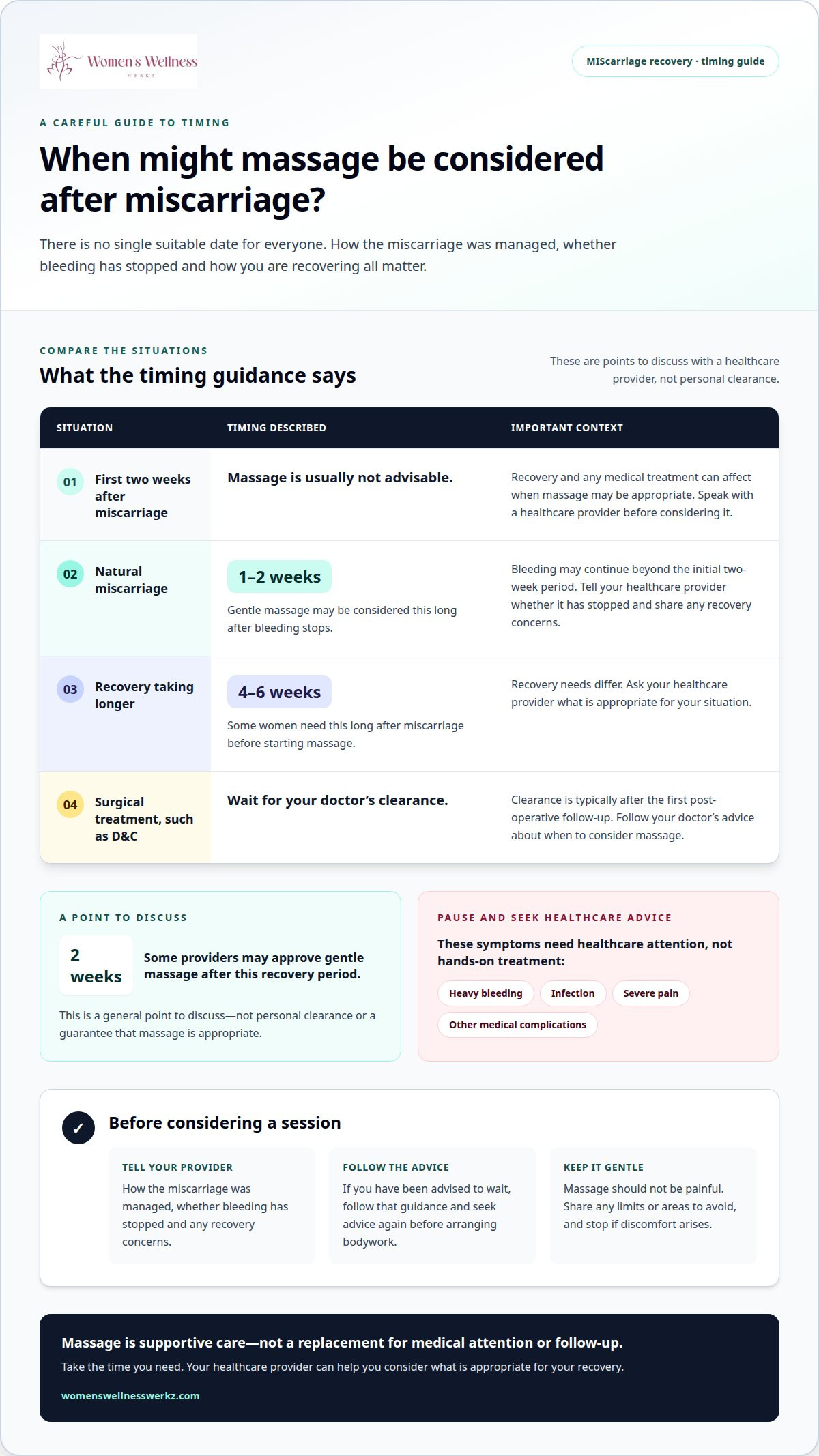
Timing depends partly on birth method. Babies Bellies says mothers after a normal delivery can usually begin massage 4 to 7 days after childbirth; BMB recommends starting 7 days after delivery. For Jamu specifically, the stated starting point after vaginal birth is one week. These recommendations offer a guide, but they don’t mean every mother feels ready on the same day.

After a caesarean birth, recommendations allow more healing time. BMB advises starting postnatal massage 3 weeks after a C-section, or when the gynaecologist recommends it. For Jamu, the stated wait is at least one month after birth, subject to gynaecologist advice. The incision’s healing and your comfort matter when considering abdominal techniques around the stomach.

Use the first appointment to discuss your birth and recovery, then decide whether a course feels manageable. If you’re considering 10 or 20 sessions, think about travel, newborn care and the time needed for each visit. Massage may offer comfort and relief from tension, but it shouldn’t be treated as a guaranteed way to reduce water retention or restore your pre-pregnancy shape.

Choose a start point that respects your recovery rather than a calendar target. Explore postnatal massage options as you consider the approach and session plan that feel right for you.

Women’s Wellness Werkz: Postnatal Massage Package

Women’s Wellness Werkz offers a Postnatal Massage Package for mothers considering massage as part of their postpartum wellbeing. For traditional Jamu techniques, the Jamu Massage is another option; a Combo Massage Package may suit those considering a combined approach.

Choose a treatment after considering your birth and recovery, and share your comfort preferences so care can be tailored. Massage can offer a restorative pause, but it isn’t a substitute for medical care or a guarantee of a particular recovery outcome. For questions about which massage offering best matches your needs, contact Women’s Wellness Werkz.

Make space for care that suits your next step

Shape postpartum care around what feels comfortable now, rather than an idealised timetable. If you’re considering a postnatal jamu massage package, think about the support you want from each session and a pace that feels manageable alongside caring for your baby. A clear conversation about your preferences can help you approach treatment with more ease.

Women’s Wellness Werkz offers a Postnatal Massage Package and a Combo Massage Package for women considering postnatal massage. Its Prenatal Massage Package supports care during pregnancy. These offerings let you explore massage at different stages of your journey, without assuming one approach suits every need.

When you feel ready to discuss your next step, contact Women’s Wellness Werkz. You can take the conversation at your own pace and choose what feels right for you.

Frequently Asked Questions

What is Jamu Massage?

Jamu massage is a traditional Malay bodywork practice associated with postpartum care. A session may combine hands-on massage with Jamu preparations, depending on the treatment plan. Techniques and sequence can vary, so the name alone doesn’t describe every session. Think of it as a traditional wellness treatment, not medical care or a substitute for assessment of a health concern.

How is a postnatal massage different from a regular massage?

Postnatal massage is planned around recovery after childbirth, rather than general relaxation alone. For example, the practitioner can take abdominal tenderness, your delivery method and comfortable positions into account. Pressure and treated areas may be adapted to your needs. A regular massage may not focus on postpartum comfort, so the treatment plan and your recovery context matter.

How much does a postnatal Jamu massage package cost in Singapore?

The cost of a postnatal Jamu massage package depends on the treatment type, session length, package structure and whether the appointment is at home or in a studio. Women’s Wellness Werkz provides pricing after a quote request, rather than quoting one figure for every treatment plan. The quoted amount reflects the selected service and arrangements, without implying that one package price suits all mothers.

How many sessions are included and how long does each session last?

Singapore postnatal massage courses are commonly structured as 10 or 20 sessions, while session length varies by treatment. For example, Traditional Chinese Medicine herbal postnatal massage is offered in 60-minute and 90-minute appointments. Those figures describe that treatment format, not every Jamu package. A single appointment and a course are different options, so the session count and duration depend on the plan selected.

When can you start postnatal Jamu massage after a vaginal birth or C-section?

After a vaginal birth, Jamu massage may start a week after childbirth. After a C-section, the stated wait is at least one month, subject to advice from your gynaecologist. This difference allows for incision healing and recovery before abdominal treatment. For example, if you still have incision discomfort, prioritise recovery over a preferred massage start date.

Are home visits, transport fees, or add-on treatments included in Singapore packages?

Home visits and add-on treatments depend on the selected arrangement, and transport charges may be separate from treatment. Home-service bookings have a 90-minute minimum, and home service is available on weekdays, excluding public holidays. Packages may combine specialised Malay bodywork, Jamu wraps and targeted body care, but combinations vary. Check the written package details to understand which treatments and travel arrangements the quoted plan covers.

How to Massage Swollen Feet Safely During Pregnancy

How to Massage Swollen Feet Safely During Pregnancy

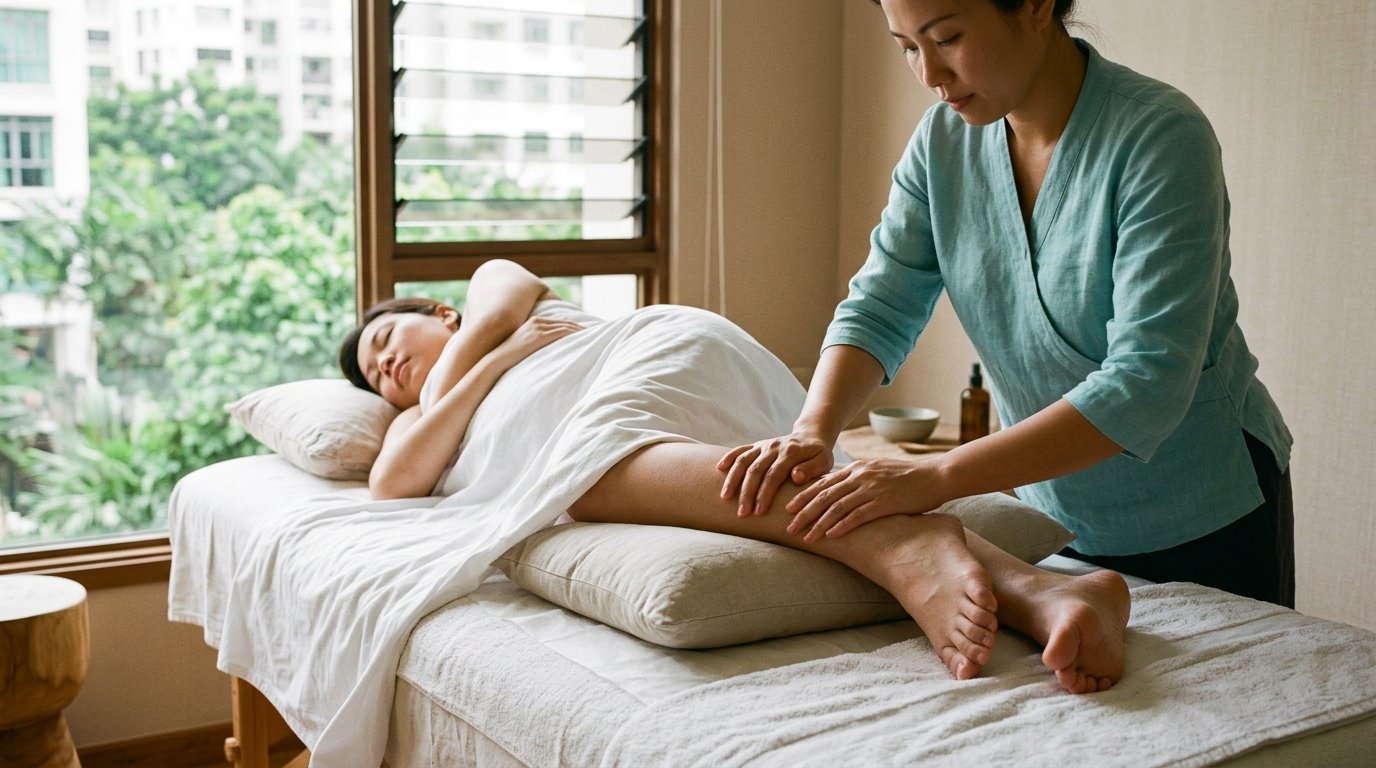
Gentle massage may ease pregnancy-related swelling, but swollen legs are not always safe to rub. Prenatal massage for swollen feet should use light, short strokes towards the heart when swelling is mild. Sudden or one-sided swelling, pain, redness or heat calls for medical attention instead of massage. A calm, careful approach can offer soothing relief while keeping you alert to symptoms that need prompt care.

It is understandable to want your feet and ankles to feel lighter, especially after a long day in Singapore’s heat. This guide explains how to massage swollen legs gently, which ankle and foot pressure points to avoid, and how to raise your limbs for a restful pause. You will also learn what to look for in a pregnancy-trained massage therapist, so you can choose an approach that feels comfortable and reassuring.

Key Takeaways

  • Keep any massage gentle, and pause if it feels uncomfortable; some swelling needs medical attention rather than massage.
  • Learn which sensitive areas around the feet and ankles call for extra care during pregnancy.
  • Raise your legs comfortably to give tired, swollen feet a chance to feel lighter.
  • Choose a therapist trained in pregnancy massage and share how far along you are and how you’re feeling that day.

Is it safe to massage swollen legs in pregnancy?

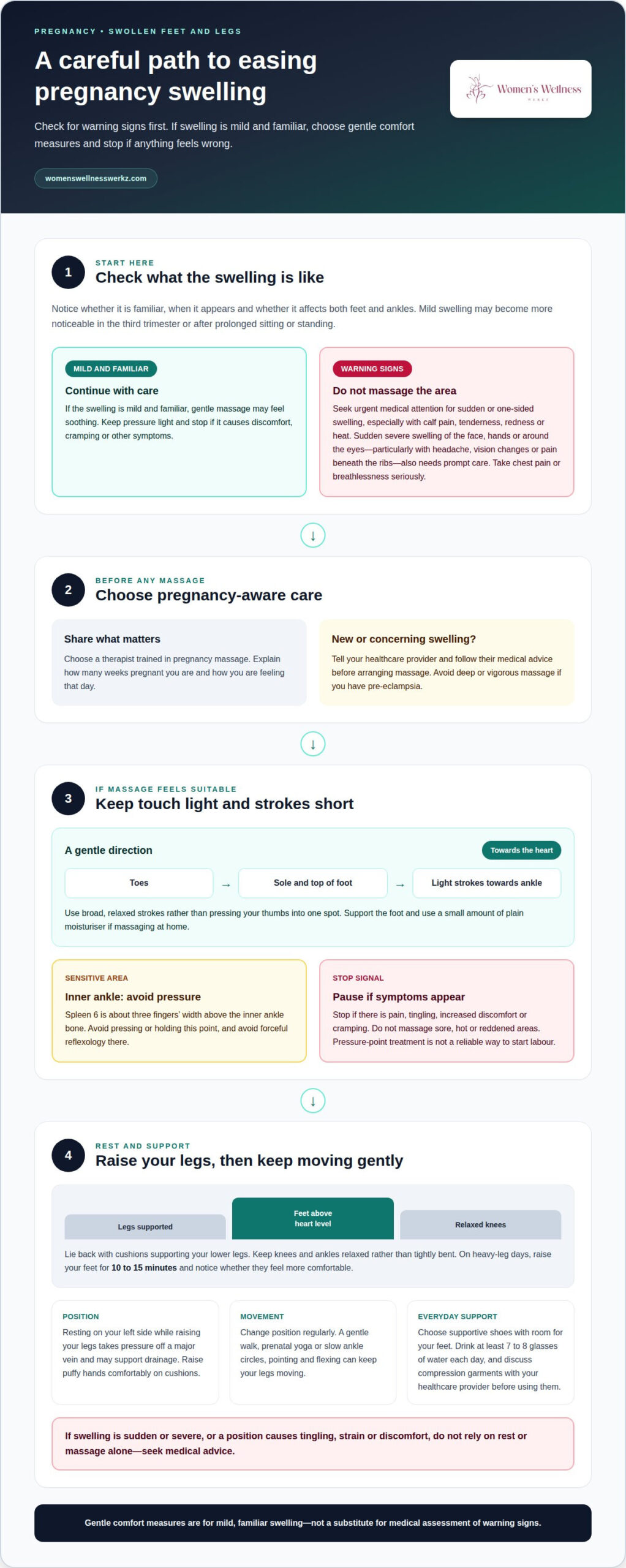
Gentle pregnancy massage may ease mild, familiar swelling, using light strokes towards the heart. Seek urgent medical care for sudden or one-sided swelling, a painful, red or hot leg, or severe swelling with headache or vision changes.

  1. Recognise pregnancy-related swelling

    Notice when swelling appears and whether it affects both feet and ankles. Mild oedema often becomes more noticeable in the third trimester and after prolonged standing or sitting. Oedema means fluid has collected in the body’s tissues. In Singapore’s heat, feet may feel especially puffy by evening. Use only gentle pressure, and stop if massage causes discomfort, cramping or other symptoms.

    Research offers some context, not a promise of relief. The authors of the systematic review included 1,189 participants in pregnancy massage research. The authors of the study observed reduced lower-leg swelling after daily foot massages for five days in late pregnancy. These findings don’t establish that massage is suitable for every pregnancy or every type of swelling.

  2. Consider causes and affected areas

    Consider how the swelling is changing before choosing bodywork. During pregnancy, increased blood volume and fluid, relaxed blood vessels, and pressure from the growing uterus on major veins can contribute to swelling. It may affect the feet, ankles and lower legs, and some swelling in the hands can also occur. Sudden or severe swelling of the face needs a different response.

    For pregnancy massage in Singapore, choose a therapist trained in pregnancy massage and explain how many weeks pregnant you are, along with your symptoms that day. Keep pressure light and strokes short, moving towards the heart. Avoid deep or vigorous massage if you have preeclampsia. Tell your healthcare provider about swelling and follow their medical advice before arranging massage if the swelling is new or concerning.

  3. Check for urgent symptoms

    Seek urgent medical attention for sudden swelling in one leg, especially with calf pain, tenderness, redness or heat. Do not massage that area. Sudden, severe swelling of the face, hands or around the eyes also needs prompt care, particularly with headache, vision changes or pain beneath the ribs, as these can signal pre-eclampsia.

    Chest pain or breathlessness during pregnancy can be concerning and should be taken seriously. A 2015 study involving 132 women past their delivery dates found that acupressure did not induce labour, but this finding doesn’t establish that pressure-point treatment is safe for every person. If massage brings discomfort or cramping, stop the session and seek medical advice about concerning symptoms.

Sensitive ankle and foot pressure points to avoid

  1. Keep pressure light around the inner ankles. Spleen 6, a pregnancy acupressure point, sits about three fingers’ width above the inner ankle bone. Avoid pressing or holding this point during foot massage, and don’t use forceful reflexology techniques there. A trained pregnancy massage therapist can adapt the touch around sensitive areas rather than trying to trigger a response.
  2. Use broad, gentle strokes over the foot instead of pressing your thumbs into one spot. Begin at the toes, move across the sole and top of the foot, then stroke lightly towards the ankle. Gentle strokes may feel soothing, but stop if they cause pain, tingling or increased discomfort. Stop if any of these symptoms appear.
  3. Remember that foot massage is not a reliable way to start labour. Claims that pressing a particular ankle point will induce labour are no reason to test it at home. Pressure-point treatment is different from gentle comfort massage. If you have concerns about blood pressure, pregnancy symptoms or labour, speak with your doctor rather than using stronger pressure.
  4. For an at-home massage, sit comfortably and support your foot before applying a small amount of plain moisturiser. Use relaxed hands and light strokes, avoiding sore, hot or reddened areas. If swelling is one-sided or painful, leave the area untouched and seek medical advice, as massage may be unsuitable.
  5. A warm foot soak with salt water may feel soothing. Peppermint or eucalyptus oil is also sometimes added to soak water, but essential oils can irritate skin; avoid them if they cause a reaction and discuss their use with your doctor during pregnancy. For calm, pregnancy-aware touch, explore pregnancy massage support.

How to Massage Swollen Feet Safely During Pregnancy

Elevating feet and hands to help reduce swelling

For swollen feet, rest with your legs raised above heart level. Gentle movement and regular changes of position can also help. The steps below offer practical ways to ease fluid pooling, including a comfortable way to support puffy hands.

  1. Lie back and support your lower legs with cushions, so your feet sit above heart level. Keep your knees and ankles relaxed rather than tightly bent. On heavy-leg days, elevate your feet for 10 to 15 minutes, then notice whether they feel more comfortable. Raise them before or after massage to encourage fluid movement towards the heart.
  2. Try resting on your left side while raising your legs. This position takes pressure off a major vein and may support drainage. For puffy hands, rest your forearms on cushions with your hands comfortably raised. Avoid any position that causes tingling, strain or discomfort. If swelling is sudden or severe, contact your healthcare provider rather than relying on rest alone.
  3. Break up long spells of sitting or standing by changing position regularly. A gentle walk, prenatal yoga or ankle rotations can keep your legs moving. To rotate your ankles, circle each foot slowly, then point and flex it. These small movements are practical during a desk break or after a meal, especially in Singapore’s warm weather.
  4. Choose shoes that support your arches and allow your feet room. Avoid staying barefoot for long periods if your feet feel sore or swollen. Drink at least 7 to 8 glasses of water each day, and discuss compression garments with your healthcare provider before using them. A provider can consider your pregnancy, symptoms and overall condition when discussing suitable support.
  5. Notice how swelling responds to rest and movement. Mild swelling may ease after raising your legs and sleeping overnight, but persistent, sudden or worsening swelling needs medical attention. If you are unsure what is normal for your pregnancy, share the changes with your healthcare provider and follow their advice.

Choosing a prenatal massage therapist

  1. Choose a registered massage therapist who is comfortable providing pregnancy massage. Ask about pregnancy-specific training and experience adapting sessions as comfort needs change. Many providers offer prenatal massage from the second trimester, depending on the pregnancy. Timing also depends on your health and symptoms. Follow your doctor’s advice if swelling is new or concerning.
  2. Before your session, tell the therapist how many weeks pregnant you are and how you feel that day. Mention whether swelling affects both feet or just one, and whether standing makes your legs feel heavier. Share any tenderness, cramping or other discomfort, along with advice from your doctor. These details help the therapist choose a suitable technique for you.
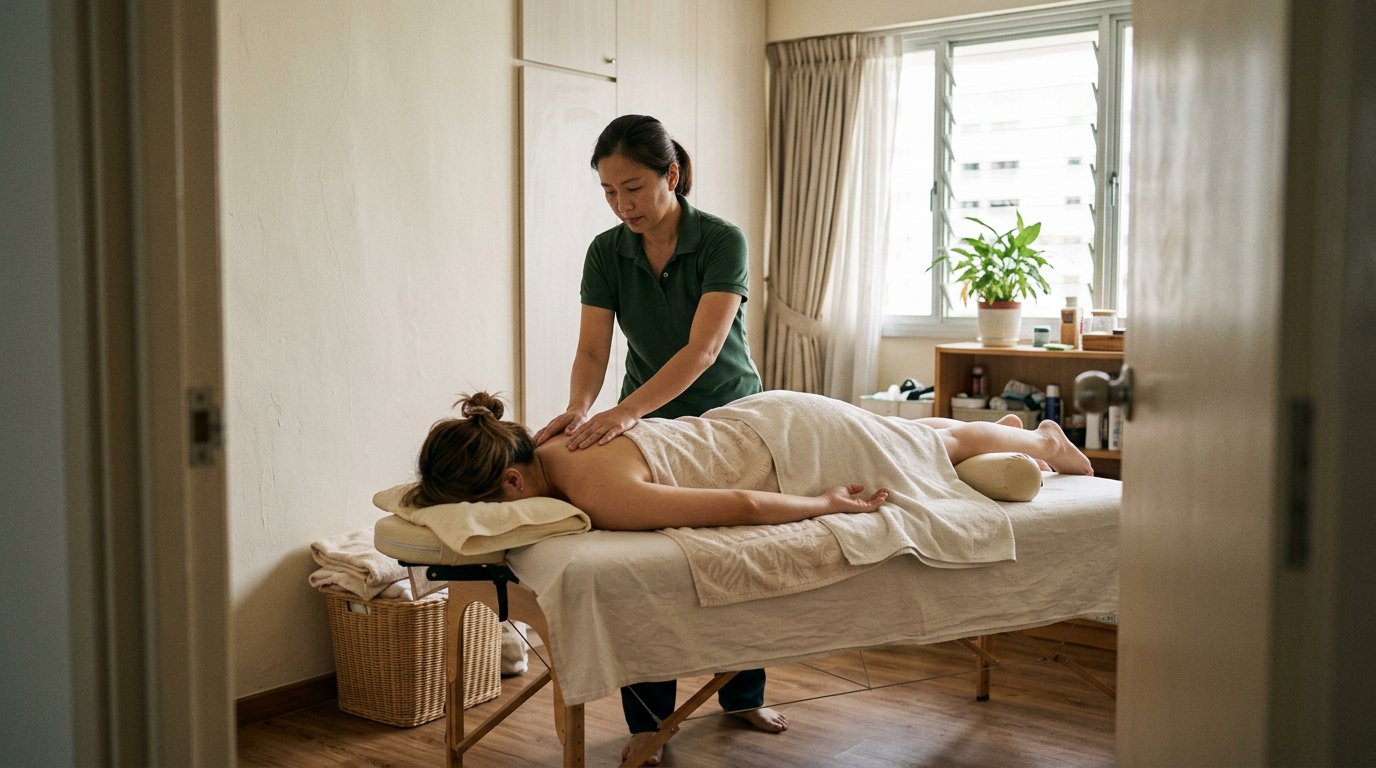
  3. Discuss positioning and pressure before the massage begins. Pregnancy massage can be performed in a supported side-lying position to avoid straining your bump. For prenatal massage for swollen feet, the therapist should use comfortable, light strokes rather than deep pressure over puffy areas. Ask for an adjustment or pause if a movement feels uncomfortable, and speak up if your symptoms change.
  4. Agree on a simple plan for your feet and lower legs. Gentle strokes towards the heart may support circulation, while raising your legs before or after treatment can encourage fluid drainage. Prenatal massage for swollen feet is about comfort, not a promise that swelling will disappear or blood flow will improve in every case. Stop if you feel discomfort, cramping or unwell.
  5. Choose a session for familiar, mild swelling, not sudden or painful symptoms. Massage isn’t a substitute for medical assessment when symptoms raise concern. For a pregnancy-focused session, explore prenatal massage options as a gentle next step.

Women’s Wellness Werkz: Prenatal Massage Package

Women’s Wellness Werkz offers the Prenatal Massage Package for expectant mothers seeking a soothing, pregnancy-focused massage. It may be a natural next step when familiar swelling or tired feet leave you wanting gentle support and time to relax. Share how far along you are and how you’re feeling, so the therapist can attend to your comfort during the session.

Massage is for comfort, not for assessing sudden or severe swelling. If you have concerning symptoms, seek medical advice before arranging bodywork. For pregnancy-related relaxation, the Prenatal Massage Package is the relevant offering. The Postnatal Massage Package is available after birth. Contact Women’s Wellness Werkz to discuss the Prenatal Massage Package.

Make space for gentler support

Pregnancy can change how your body feels from one day to the next, so let comfort guide your next step. Prenatal massage for swollen feet can be part of a restful routine when swelling is familiar and mild, while new or worrying symptoms need medical attention first. Your wellbeing comes before any bodywork.

Women’s Wellness Werkz offers a Prenatal Massage Package for pregnancy-focused care, alongside a Combo Massage Package and a Postnatal Massage Package for support across different stages. A session gives you dedicated time to share what feels tender, what helps you relax and how you would like the therapist to adapt the touch.

If you’d like to explore a gentle next step, contact Women’s Wellness Werkz about its prenatal massage offering. You deserve care that meets you with patience, and small moments of comfort can help you feel more supported through this changing season.

Frequently Asked Questions

Does prenatal massage really help with swollen feet?

Massage may ease the heavy, tight feeling of mild pregnancy swelling, but it cannot treat the underlying cause or replace medical care. It uses gentle touch, not a promise that swelling will disappear. For example, if your shoes feel snug after a day on your feet, a comfortable session may help you relax. Sudden or painful swelling needs medical assessment, not massage.

How can I keep my feet healthy during pregnancy?

Choose shoes that still feel comfortable later in the day, when feet may be more swollen. Good arch support can help as pregnancy changes how weight is carried; orthotics may offer extra support and distribute weight more evenly. Check for rubbing, pressure marks or sore spots after wearing shoes. If a foot problem persists or affects walking, discuss it with your healthcare provider.

How often should I come for leg symptoms?

There isn’t one visit schedule that suits every pattern of leg symptoms. For pregnancy-related swelling, one recommendation for manual lymphatic drainage is 1 to 2 sessions weekly; this isn’t a general schedule for every massage or every pregnancy. Frequency depends on your symptoms and health. If swelling changes suddenly, becomes painful or affects one leg, seek medical advice instead of arranging another session.

What are the benefits of foot massage during pregnancy?

A gentle foot massage can encourage blood flow and offer a soothing pause when tired feet feel tense. Some people also find that relaxing the surrounding muscles eases discomfort after walking or standing. Keep the touch comfortable, and stop if it causes pain or cramping. Massage is for comfort, not a treatment for a medical cause of swelling or a substitute for assessment.

What foot problems can arise during pregnancy?

Changes in weight distribution can contribute to over-pronation, where the arch flattens and the foot rolls inward. Some pregnant people also experience sore, swollen feet, calf cramps or discomfort associated with sciatica. Supportive footwear may make walking more comfortable. A new, painful or worsening problem, particularly swelling with redness or warmth, needs medical advice rather than pressure or massage.

When in pregnancy can I start?

Many providers offer pregnancy massage from the second trimester, depending on the pregnancy. The right time also depends on how you feel and whether symptoms need medical assessment first. Before arranging a session, discuss massage with your healthcare provider, especially if your pregnancy has complications or swelling is new. Tell the therapist your stage of pregnancy and how you feel that day.

How to Use Pregnancy Massage for Back Pain Safely

How to Use Pregnancy Massage for Back Pain Safely

Gentle pregnancy massage for back pain is generally considered safe after the first trimester when it uses pregnancy-appropriate techniques and has medical approval. A careful session may provide a welcome pause from aching, but safety comes first: speak with your prenatal care provider before arranging a massage, especially if you have health concerns. The aim is comfort, not deep pressure or pushing through discomfort.

It’s understandable to want relief while also protecting your changing body. This guide explains how massage may ease pregnancy-related back discomfort, which positioning and pressure precautions matter, and when back pain calls for prompt medical attention rather than massage. You’ll also find practical steps to prepare for a gentler session and recognise when to stop. Small adjustments to your position and clear communication about how you feel can make the experience more comfortable.

Key Takeaways

  • Discuss massage with your prenatal care provider first, particularly if you have health concerns, and choose a therapist trained in pregnancy-safe techniques.
  • Use a supported side-lying or seated position; after 20 weeks, avoid lying flat on your back during a massage.
  • Keep touch gentle and speak up if you feel uncomfortable. Stop the massage if you become dizzy or nauseous.
  • Gentle massage may ease back and leg discomfort and help you relax, but severe, sudden or worsening back pain needs prompt medical advice.

Precautions for prenatal massage?

Use supported positions, gentle pressure and regular comfort checks throughout a prenatal massage. In Singapore, private insurance reimbursement depends on your policy terms; don’t assume MediSave covers prenatal massage.

  1. Choose a supported side-lying position

    Lie on your left side or sit for a pregnancy back massage, with a pillow under your knees if seated. Ask for cushions to support your body and reduce strain around your back and hips. The position should feel steady, without pressure on your abdomen. Tell the therapist if swelling, aches and pains, or discomfort make the support feel insufficient.

  2. Adjust positioning during the massage

    Change position when you need to, rather than holding one posture through the whole massage. After 20 weeks of pregnancy, avoid lying flat on your back, as this can restrict blood flow through blood vessels. Keep pressure gentle, and avoid deep tissue massage on the legs during pregnancy because it may dislodge a blood clot. At home, use pillows to support your knees when sitting.

  3. Watch for warning signs and stop

    Stop the massage immediately if you feel dizzy, nauseous, uncomfortable, or develop other symptoms. For severe or worsening back pain, sudden pain, rhythmic cramping pain, difficulty urinating, or sharp limb pain, seek immediate medical advice instead. At home, a cold compress on a sore spot for ten to fifteen minutes may lessen inflammation. After 2-3 days of cold therapy, you can switch to hot therapy, but don’t apply heat to your abdomen.

Change position as needed during a pregnancy back massage to stay comfortable.

The Hydrotherm system uses warm, water-filled cushions to support the body during massage.

If you are at risk of miscarriage or have other health concerns, consult a doctor before having a massage.

Is it safe to get a massage while pregnant?

Massage is generally considered safe after the first trimester when it uses pregnancy-appropriate techniques and has medical approval. Your prenatal care provider can help you decide whether it suits your health and pregnancy.

  1. Choose a certified prenatal massage therapist

    Choose a massage therapist with certified prenatal massage training and knowledge of pregnancy-safe techniques. Before the session, discuss your pregnancy and any health concerns with your prenatal care provider, then share relevant advice with the therapist. Gentle work should respect your comfort and avoid forceful pressure. A therapist familiar with prenatal care can adapt the approach to your needs, including whether lying, side-lying or sitting feels most comfortable.

  2. Check when to start prenatal massage

    Plan to start after the first trimester, the point from which massage is generally considered safe during pregnancy. Ask your doctor for medical approval before booking, especially if you have health concerns or have been advised to take extra care. This conversation also helps clarify what feels comfortable for you. A back massage session should last approximately 15-20 minutes, with gentle techniques rather than deep pressure.

  3. Use safe back massage techniques

    Tell the therapist where your back aches and which movements feel soothing, then speak up if pressure causes discomfort. Gentle massage may ease back and leg pain, and can support relaxation; NICE advises that massage therapy can help ease back pain during pregnancy. The therapist should adapt the techniques to your comfort, rather than pressing firmly around sensitive areas. If you’re looking for a calm, pregnancy-aware session, explore gentle prenatal massage care.

How to Use Pregnancy Massage for Back Pain Safely

Circulation, swelling, muscle pain, and anxiety

Pregnancy can bring swelling, muscle tension and worry alongside back discomfort. Gentle massage may feel soothing and promote relaxation, but it does not replace medical care.

  1. Describe your discomfort before the massage begins. For example, explain whether your feet feel puffy, your shoulders feel tight or a muscle aches after sitting. This helps the therapist adapt their touch to your comfort rather than applying the same pressure everywhere. Ask for gentle strokes and speak up if an area feels tender or the pressure becomes uncomfortable.
  2. Keep leg and foot massage light and comfortable. Gentle touch may ease the feeling of tired, aching feet; firm pressure is not needed for a restorative session. Tell the therapist if swelling is uncomfortable or has changed, and don’t treat massage as a way to diagnose or resolve its cause. Comfort and a relaxed response are useful guides during the session.
  3. Notice how your body feels after sitting or standing for a while. Changes in pregnancy weight can affect posture and leave your lower back, shoulders or legs feeling tired. Gentle massage may help loosen tense muscles and promote relaxation, but it should not cause pain. Choose a supported position, and pause or adjust if pressure makes an ache worse.
  4. Use massage as one calming part of your wellbeing routine. Research has suggested that pregnancy massage may help reduce anxiety, depression, and leg and back pain. One study associated massage twice a week for five weeks with changes in hormones linked to stress, relaxation and mood. These findings describe possible benefits, not a guarantee. Notice whether a session leaves you feeling more settled and comfortable.

Gentle massage may ease tension and make pregnancy-related back pain feel more manageable. Pregnancy massage for back pain prioritises comfort, adapting touch to your needs rather than using forceful pressure.

  1. Notice where tension gathers before the session. Prolonged sitting, for example, may leave your lower back tight, while physical strain can make your shoulders ache. Describe the sensation and what seems to aggravate it. This helps the therapist focus gentle, comfortable touch on tense muscles rather than pressing hard or treating every sore area the same way.
  2. Use gentle massage to address muscular tightness, not to force a change. Slow, light strokes across the back may help you relax and feel less physically tense. NICE, the UK National Institute for Health and Care Excellence, advises that massage therapy can help ease back pain during pregnancy. Comfort during the session matters more than strong pressure.
  3. Pay attention to how pain affects your rest and stress. Pregnancy-related discomfort can make it harder to settle, and massage may promote relaxation and sleep. Notice how your body feels afterwards, such as whether your back feels looser when standing or turning. Feeling calmer is useful, but sudden, severe or worsening pain needs medical advice, not massage alone.
  4. Keep the goal realistic and specific. Pregnancy massage for back pain may ease aches linked with muscle tension, but it doesn’t address every physical cause of pain during pregnancy. If you have concerns about miscarriage risk or another health issue, discuss massage with your prenatal care provider before a session. For gentle hands-on support, explore prenatal massage care.

Women’s Wellness Werkz

Women’s Wellness Werkz offers a Prenatal Massage Package for women seeking gentle support with pregnancy-related discomfort. A session can be a calming addition to your self-care when back tension or everyday aches make rest harder, but massage is separate from medical assessment or treatment. If pain is severe, sudden or worsening, seek medical advice rather than relying on massage.

Care is personalised, so you can describe where you feel discomfort and what pressure feels comfortable. This helps shape a considered experience around your needs during pregnancy, without promising a particular result. To explore whether prenatal massage feels right for you, contact Women’s Wellness Werkz.

Make space for comfort in your next step

Pregnancy massage for back pain can be a considered part of caring for yourself, alongside guidance from your prenatal care provider. Before arranging a session, think about what would help you feel at ease, such as sharing where you feel tension and asking for gentle pressure. Let your comfort guide the conversation and the experience.

Women’s Wellness Werkz offers a Prenatal Massage Package, as well as Postnatal Massage and Combo Massage Packages for other stages of your wellbeing journey. The next step is to discuss the support you’re looking for and whether a prenatal session feels right for you.

Contact Women’s Wellness Werkz to discuss your needs. You deserve care that meets you gently, one comfortable step at a time.

Frequently Asked Questions

Why Does Backache Happen in Pregnancy?

Pregnancy backache often starts in the second half of pregnancy, as your changing body places different demands on your back. A healthy pregnancy typically involves a weight gain of 11-16 kg, which can contribute to physical strain and altered posture. Long periods sitting or standing may make discomfort more noticeable. Gentle movement and comfortable support can help you manage everyday aches.

Is prenatal massage safe for back pain during pregnancy?

Prenatal massage is generally considered safe after the first trimester when it uses pregnancy-appropriate techniques and has medical approval. Speak with your prenatal care provider beforehand, particularly if you have health concerns or are at risk of miscarriage. Share relevant advice with the massage therapist and describe what feels comfortable. Massage may support comfort, but it does not replace medical assessment of pain.

What massage positions and techniques are safe during pregnancy?

Side-lying or seated positions can support a comfortable massage; cushions can help steady your body and reduce pressure. After 20 weeks, avoid lying flat on your back during massage because it can restrict blood flow. Choose gentle touch rather than deep pressure, especially on the legs. You can change position during the session if your body begins to feel strained or uncomfortable.

Can prenatal massage relieve lower back pain and sciatica?

Prenatal massage may ease pregnancy-related back pain by helping relax tense muscles and promoting a calmer, more comfortable feeling. NICE advises that massage therapy can help ease back pain during pregnancy. Sciatica can involve pain that travels from the lower back into the buttock or leg; massage is not a way to diagnose it. Discuss persistent or concerning symptoms with your prenatal care provider.

When should pregnant people avoid massage or consult a doctor first?

Speak with your doctor before massage if you are at risk of miscarriage or have another health concern. Stop the session if you feel dizzy, nauseous or uncomfortable, or experience other symptoms. Seek immediate medical advice for severe or worsening back pain, sudden pain, rhythmic cramping, difficulty urinating or sharp pain in your limbs. These symptoms need medical attention rather than massage.

How do I choose a qualified prenatal massage therapist in Singapore?

Look for a massage therapist with certified prenatal massage training and knowledge of pregnancy-safe techniques. Before your appointment, discuss massage with your prenatal care provider and share relevant guidance with the therapist. Explain your stage of pregnancy, areas of discomfort and preferred pressure. A suitable session should be adapted to your comfort, with positioning and touch adjusted if anything feels uncomfortable.

Safe Pregnancy Massage in Malaysia: A Guide for Mums-to-be

Safe Pregnancy Massage in Malaysia: A Guide for Mums-to-be

If you’re searching for a safe pregnancy massage in Singapore, it’s natural to wonder whether touch, pressure, positioning or massage oils could affect you or your baby. Your comfort matters, and the right approach depends on your individual pregnancy and how a session is adapted.

It’s sensible to feel cautious. Pregnancy massage is a wellness experience, not medical care, and it can’t prevent or treat pregnancy complications. Speaking with your maternity-care professional before booking can help you understand whether massage feels appropriate for you, particularly if you have health concerns or a higher-risk pregnancy.

This guide covers general safety considerations, what to discuss with your maternity-care professional and therapist, and how to prepare for a more comfortable session. You’ll also learn why gentle, personalised care matters, from finding a supported position to sharing what feels soothing or uncomfortable. Women’s Wellness Werkz offers a Prenatal Massage Package shaped around individual comfort, with attentive care focused on relaxation and wellbeing.

Key Takeaways

  • Understand why safe pregnancy massage in Singapore depends on your individual pregnancy, comfort and appropriate guidance, rather than a blanket assurance.
  • Consider your pregnancy stage, positioning and preferred touch before deciding whether a session feels right for you.
  • Keep expectations realistic: massage may support relaxation and comfort, but it can’t treat complications or guarantee pregnancy or birth outcomes.
  • Prepare by sharing relevant pregnancy information, preferences and any guidance from your maternity-care professional.
  • Learn how Women’s Wellness Werkz’s Prenatal Massage Package offers personalised care focused on physical and emotional wellbeing.

What does safe pregnancy massage mean for expectant mothers in Singapore?

Could a massage feel soothing during pregnancy without putting your wellbeing at risk? It may be appropriate for some expectant mothers, but no general description can guarantee that it’s right for everyone. Start by considering your own health, comfort and any guidance from your maternity-care professional.

Pregnancy massage is wellness bodywork adapted with pregnancy in mind. Positioning, pressure and other details may be adjusted to support comfort, but the right approach depends on the individual. The purpose is a calm, attentive experience, not diagnosis or treatment.

In brief: pregnancy massage may offer relaxation and comfort through adapted touch, but it isn’t obstetric care and can’t treat pregnancy complications.

How is pregnancy massage different from a standard massage?

A pregnancy-aware session takes account of how you feel when lying down, how much pressure is comfortable and whether anything needs to change. If a position feels strained, for example, ask to try a more comfortable alternative. Pressure and areas of focus should reflect your preferences and circumstances, rather than follow a routine designed for everyone.

These adjustments are intended to support rest and ease. They don’t promise relief from a particular symptom or a clinical result. Pregnancy changes over time, and no single style, pressure level or position suits everyone. You can say what feels comfortable, request an adjustment or pause the session at any point.

When should a pregnant person seek clinical guidance first?

Pregnancy is personal, so speak with your maternity-care team if you have a known complication, a health concern, a pregnancy described as higher risk, or uncertainty about whether massage is suitable for you. They understand your circumstances and can advise whether a wellness session is appropriate. Share relevant guidance with the therapist before the massage so that you can discuss comfort and boundaries with that context in mind.

It’s also important to distinguish a relaxation session from symptoms that need medical attention. If you have new or concerning symptoms, follow your maternity-care team’s advice and seek clinical assessment rather than relying on massage. Urgent symptoms need urgent medical attention. A massage therapist can adapt a wellness experience but cannot assess pregnancy complications or replace antenatal appointments, medical advice or emergency care.

A careful decision needn’t feel overwhelming. Consider whether you feel well, whether your maternity-care professional has raised any concerns and whether you can communicate openly about comfort and preferences. If you’re unsure, pause and seek clinical guidance before booking. That gives you a clearer basis for deciding whether gentle massage feels suitable for your wellbeing routine.

How pregnancy massage safety is shaped by stage, position and touch

There isn’t one position or pressure level that suits every expectant mother. As your body changes, what feels restful one day may feel uncomfortable another, and pregnancy stage is only part of the picture. For safe pregnancy massage malaysia, a thoughtful session should respond to your comfort and individual circumstances, with clinical guidance informing the decision where needed.

Adaptation matters more than a one-size-fits-all rule: a session should be shaped around the person, their comfort and relevant professional advice.

What positioning and pressure may feel more comfortable?

Supported positioning can help you settle without strain. Side-lying may feel comfortable for some people, with cushions or other support adjusted to suit, but it isn’t a universal prescription. The American Pregnancy Association discusses positioning and other benefits and safety considerations for prenatal massage; your own maternity-care guidance and comfort should remain central.

Pressure is personal, too. Gentle touch may feel preferable, and you can ask for lighter pressure, a change of position or a pause at any time. You shouldn’t have to tolerate discomfort. Speak up if you feel pressure, pulling, dizziness, nausea or simply that something doesn’t feel right. Those cues are enough reason to stop and reassess, not something to push through.

Why do pregnancy stage and personal health matter?

Pregnancy stage can influence what feels comfortable and which precautions may be relevant, but it doesn’t determine suitability on its own. Your health history, current symptoms and advice from your maternity-care professional also matter. Recommendations can differ, so avoid relying on a fixed rule about when massage is suitable for everyone. If you’ve received individual guidance, share it with the therapist before the session.

Before settling into a position, notice how your body feels. Is your breathing easy? Do you feel supported, rather than twisted or pressed uncomfortably? Are you comfortable with the proposed touch? Small adjustments can help create a calmer experience, while check-ins during the session keep your preferences in view. You can change your mind as your comfort shifts.

For a gentle, personalised wellness experience, Women’s Wellness Werkz offers a Prenatal Massage Package focused on women’s physical and emotional wellbeing. The intention is attentive care and relaxation, not a medical outcome. Keeping that distinction clear helps you set realistic expectations and decide what to discuss before the session.

Pregnancy massage benefits and limits: what a soothing session can and cannot do

A quiet, comfortable massage may offer a welcome pause in a physically demanding season. You might feel more settled or simply enjoy being cared for, but experiences vary between people and from one session to the next. For safe pregnancy massage malaysia, keep the purpose clear: relaxation and personal comfort, not a promised medical result.

Pregnancy massage may support a sense of comfort and relaxation, but it doesn’t treat or prevent medical conditions or determine pregnancy, labour or birth outcomes. That distinction lets you value gentle wellness care without expecting it to take the place of antenatal care.

Which expectations are realistic for pregnancy massage?

A realistic expectation is that a considerate session may feel calming or give you a little time to rest. It may not feel the same each time, and you may prefer different pressure or focus on different days. These are personal experiences, not guaranteed effects. Massage shouldn’t be presented as changing hormones, treating a pregnancy-related condition or improving a particular clinical measure.

Use the guide below to distinguish a reasonable wellness hope from a claim that needs clinical evidence or advice.

Reasonable wellness expectation Unsupported promise When to seek clinical advice
You may feel relaxed, cared for or more at ease during or after a session. A massage will prevent pregnancy complications or guarantee a healthy pregnancy, labour or birth. Ask your maternity-care professional if you’re unsure whether massage suits your health or pregnancy circumstances.
You can share preferences and request changes to help the session feel comfortable. A massage will induce labour, treat a pregnancy condition or replace antenatal care. Seek medical advice for symptoms or concerns; urgent symptoms need urgent assessment, not a massage appointment.

How can readers recognise claims that go too far?

Be cautious of claims that massage can prevent complications, bring on labour or replace advice from your maternity-care team. A soothing experience alone isn’t evidence of a medical effect. You can appreciate the comfort a session may bring while leaving clinical questions with the professionals responsible for your pregnancy care.

Massage isn’t inherently a medical intervention, and this distinction isn’t a reason to feel alarmed. It helps set honest expectations. If a particular outcome is guaranteed, or a session is described as a substitute for clinical care, treat that as a claim rather than a certainty. Discuss health concerns with your maternity-care professional, and don’t delay assessment to try massage instead.

Before a session, decide what you hope to feel, such as having a restful moment or receiving gentle, attentive care. Keep that hope flexible. You’re the best judge of your comfort, and it’s always acceptable to pause or stop if the experience doesn’t feel right.

Safe Pregnancy Massage in Malaysia: A Guide for Mums-to-be

A gentle pre-session checklist for pregnancy massage in Malaysia

A little preparation can make it easier to settle in and explain what feels right. If you’re considering safe pregnancy massage malaysia, use this checklist to organise information and preferences that can help shape a more comfortable wellness session. It isn’t a medical screening tool; pregnancy concerns belong with your maternity-care professional.

  1. Check in with yourself. Notice how you’re feeling on the day and whether you have any new concerns. If you’re unwell or unsure whether massage is suitable, seek guidance from your maternity-care team before proceeding.
  2. Share relevant pregnancy details. Tell the therapist your pregnancy stage and mention health concerns that may affect comfort or session planning. Relevant details help the therapist understand your needs.
  3. Pass on clinical guidance. If your maternity-care professional has given advice about massage, positioning or activities to avoid, share it before the session. If you’re uncertain about the advice, clarify it with your care team rather than relying on massage in place of clinical guidance.
  4. Describe what feels comfortable. Explain your pressure preference in everyday terms, such as “very gentle” or “lighter, please”. You can also mention areas you’d prefer to avoid and any position that feels awkward or strained.
  5. Agree how to communicate. Let the therapist know you may ask for a pause, a position change or lighter touch. You don’t have to wait for a scheduled check-in to speak up.

What should you share before the session?

Keep the conversation focused on your wellbeing: your pregnancy stage, relevant health concerns, advice you’ve received from a clinician and what helps you feel at ease. For example, say that you prefer a softer touch or may need to change position if you become uncomfortable. This gives the therapist useful context without turning a wellness appointment into a medical consultation.

How can you stay comfortable during the session?

Comfort can shift, so check in with yourself as the session unfolds. If you notice pain, dizziness or unusual discomfort, ask the therapist to stop so you can reassess. You can pause, adjust your position or end the session; your needs matter more than completing it. If a symptom concerns you, seek clinical advice rather than relying on massage to assess or resolve it.

If you’re looking for information about pregnancy-related back discomfort or swollen feet, seek symptom-specific guidance from an appropriate clinical source. Those concerns can have different causes and shouldn’t be assessed through massage alone.

With your preferences and any relevant clinical guidance shared, a personalised prenatal massage can be approached as a considered moment of comfort and care. Explore the Prenatal Massage Package at Women’s Wellness Werkz for a gentle wellness experience centred on women’s physical and emotional wellbeing.

How Women’s Wellness Werkz offers gentle prenatal massage care

After considering the safety guidance, you may be wondering what prenatal massage can look like in practice. Women’s Wellness Werkz offers a Prenatal Massage Package with personalised massage care for women, centred on physical and emotional wellbeing. It’s a wellness offering, not obstetric care or treatment for pregnancy concerns, and it doesn’t promise a particular health outcome.

Personalisation matters because pregnancy and comfort are individual. A thoughtful wellness experience leaves space for you to express your preferences and for care to be shaped around your needs. Share what feels soothing, what you’d rather avoid and whether your comfort changes as the session progresses. Clear communication helps keep the experience centred on you.

What does personalised prenatal wellness care mean?

Personalised care means your comfort isn’t treated as an afterthought. Your preferences and wellbeing can guide the experience, rather than assuming one approach suits every expectant mother. Women’s Wellness Werkz’s prenatal massage care is intended to offer a considered moment of relaxation and support for women’s wellbeing. It isn’t a substitute for advice from your maternity-care professional or a way to manage pregnancy complications.

If you’re considering safe pregnancy massage malaysia, remember that suitability depends on your circumstances, not simply on a service description. If you have questions about your health or whether massage is appropriate, discuss them with your maternity-care professional. Their guidance can help you decide what feels right and what to share before a session.

How can you take a calm next step?

There’s no need to make an immediate booking decision simply because you’re learning about prenatal massage. Take time to consider whether the idea feels comfortable. You might note questions for your maternity-care professional, reflect on the touch and positioning that feel reassuring, and plan how you’ll communicate if you want a change or pause.

These principles can help you make a considered choice:

  • Personal guidance: Let your maternity-care professional advise you on health-related concerns.
  • Comfort: Your preferences matter, and it’s all right to request an adjustment.
  • Communication: Share relevant information and speak up if your comfort shifts.
  • Realistic expectations: Think of massage as a possible relaxation experience, not medical treatment or a guarantee of outcomes.

When you feel ready, you can explore the Prenatal Massage Package at Women’s Wellness Werkz and learn more about its personalised approach to women’s wellbeing. Let your decision unfold at a pace that feels comfortable for you.

Take your next step at a pace that feels right

Your next step doesn’t have to be a booking. Take time to reflect on what would help you feel at ease, and bring any health questions to your maternity-care professional. A decision about safe pregnancy massage malaysia can be guided by your individual circumstances, preferences and comfort, rather than pressure to proceed.

If a gentle wellness experience feels right for you, Women’s Wellness Werkz offers a Prenatal Massage Package with personalised care focused on women’s wellbeing. It’s an opportunity to explore relaxation and attentive support, not medical treatment. Learn about the package and decide in your own time whether it suits you.

Explore the Prenatal Massage Package at Women’s Wellness Werkz and take the next step when you feel ready. You deserve care that honours your comfort, your questions and your own pace.

Frequently Asked Questions

Is pregnancy massage safe in the first trimester?

There isn’t one answer that applies to everyone, including during the first trimester. Your health, pregnancy circumstances and comfort all matter. If you’re considering safe pregnancy massage malaysia, discuss concerns with your maternity-care professional, who can advise based on your situation. If you decide to proceed, choose pregnancy-aware, comfort-led care and share any guidance you’ve received. There’s no need to follow a fixed trimester rule without individual advice.

Can pregnancy massage cause a miscarriage?

It’s understandable to worry, but miscarriage is not something to blame yourself for. Pregnancy loss can happen for many reasons, and gentle massage isn’t known to cause miscarriage. Massage can’t diagnose the cause of pregnancy loss or prevent it. If you have bleeding, pain or another concerning symptom, contact your maternity-care team promptly for advice rather than trying to assess it through massage.

How much pressure is appropriate during pregnancy massage?

Pressure should feel comfortable to you and remain adjustable, rather than follow a fixed rule. You might prefer lighter touch in one area and a different level elsewhere; tell the therapist what feels soothing. Ask for a change of position, lighter pressure or a pause whenever you need one. If pain or unusual discomfort develops, stop the massage and reassess rather than trying to tolerate it.

Can I have a pregnancy massage if my pregnancy is considered high risk?

Speak with your maternity-care team before arranging a massage if your pregnancy is considered high risk. Advice depends on your individual circumstances, so no general checklist can determine what’s suitable for you. A massage therapist can provide wellness care, but can’t replace your clinician’s assessment or guidance. Follow the medical advice you receive, and postpone the session if your care team recommends waiting.

What should I wear for a pregnancy massage?

Choose whatever helps you feel comfortable and appropriately covered. Before the session begins, discuss clothing, modesty and draping preferences so expectations feel clear and respectful. You can also mention if you tend to feel warm or cool, or if a particular position feels uncomfortable. You don’t need to agree to an arrangement that doesn’t feel right; your comfort and sense of ease matter.

Can essential oils be used during pregnancy massage?

Don’t assume a product is suitable in pregnancy simply because it’s described as natural. Products differ, and sensitivities or allergies can affect what feels appropriate for you. Tell the therapist about allergies, skin sensitivities and advice you’ve received from your maternity-care professional before products are discussed or used. If you’re uncertain about an ingredient, seek clinical guidance rather than relying on a general claim about its safety.

How often can someone have pregnancy massage?

There isn’t a massage schedule that suits everyone. Frequency depends on your comfort, pregnancy circumstances and what you hope to gain from a wellness session. Follow relevant advice from your maternity-care professional, and notice how you feel during the hours and day afterwards. If a session leaves you uncomfortable or raises concerns, pause further appointments and seek guidance before deciding whether or when to have another.

If you’re searching for a safe pregnancy massage in Singapore, it’s natural to wonder whether touch, pressure, positioning or massage oils could affect you or your baby. Your comfort matters, and the right approach depends on your individual pregnancy and how a session is adapted.

It’s sensible to feel cautious. Pregnancy massage is a wellness experience, not medical care, and it can’t prevent or treat pregnancy complications. Speaking with your maternity-care professional before booking can help you understand whether massage feels appropriate for you, particularly if you have health concerns or a higher-risk pregnancy.

This guide covers general safety considerations, what to discuss with your maternity-care professional and therapist, and how to prepare for a more comfortable session. You’ll also learn why gentle, personalised care matters, from finding a supported position to sharing what feels soothing or uncomfortable. Women’s Wellness Werkz offers a Prenatal Massage Package shaped around individual comfort, with attentive care focused on relaxation and wellbeing.

Key Takeaways

  • Understand why safe pregnancy massage in Singapore depends on your individual pregnancy, comfort and appropriate guidance, rather than a blanket assurance.
  • Consider your pregnancy stage, positioning and preferred touch before deciding whether a session feels right for you.
  • Keep expectations realistic: massage may support relaxation and comfort, but it can’t treat complications or guarantee pregnancy or birth outcomes.
  • Prepare by sharing relevant pregnancy information, preferences and any guidance from your maternity-care professional.
  • Learn how Women’s Wellness Werkz’s Prenatal Massage Package offers personalised care focused on physical and emotional wellbeing.

What does safe pregnancy massage mean for expectant mothers in Singapore?

Could a massage feel soothing during pregnancy without putting your wellbeing at risk? It may be appropriate for some expectant mothers, but no general description can guarantee that it’s right for everyone. Start by considering your own health, comfort and any guidance from your maternity-care professional.

Pregnancy massage is wellness bodywork adapted with pregnancy in mind. Positioning, pressure and other details may be adjusted to support comfort, but the right approach depends on the individual. The purpose is a calm, attentive experience, not diagnosis or treatment.

In brief: pregnancy massage may offer relaxation and comfort through adapted touch, but it isn’t obstetric care and can’t treat pregnancy complications.

How is pregnancy massage different from a standard massage?

A pregnancy-aware session takes account of how you feel when lying down, how much pressure is comfortable and whether anything needs to change. If a position feels strained, for example, ask to try a more comfortable alternative. Pressure and areas of focus should reflect your preferences and circumstances, rather than follow a routine designed for everyone.

These adjustments are intended to support rest and ease. They don’t promise relief from a particular symptom or a clinical result. Pregnancy changes over time, and no single style, pressure level or position suits everyone. You can say what feels comfortable, request an adjustment or pause the session at any point.

When should a pregnant person seek clinical guidance first?

Pregnancy is personal, so speak with your maternity-care team if you have a known complication, a health concern, a pregnancy described as higher risk, or uncertainty about whether massage is suitable for you. They understand your circumstances and can advise whether a wellness session is appropriate. Share relevant guidance with the therapist before the massage so that you can discuss comfort and boundaries with that context in mind.

It’s also important to distinguish a relaxation session from symptoms that need medical attention. If you have new or concerning symptoms, follow your maternity-care team’s advice and seek clinical assessment rather than relying on massage. Urgent symptoms need urgent medical attention. A massage therapist can adapt a wellness experience but cannot assess pregnancy complications or replace antenatal appointments, medical advice or emergency care.

A careful decision needn’t feel overwhelming. Consider whether you feel well, whether your maternity-care professional has raised any concerns and whether you can communicate openly about comfort and preferences. If you’re unsure, pause and seek clinical guidance before booking. That gives you a clearer basis for deciding whether gentle massage feels suitable for your wellbeing routine.

How pregnancy massage safety is shaped by stage, position and touch

There isn’t one position or pressure level that suits every expectant mother. As your body changes, what feels restful one day may feel uncomfortable another, and pregnancy stage is only part of the picture. For safe pregnancy massage malaysia, a thoughtful session should respond to your comfort and individual circumstances, with clinical guidance informing the decision where needed.

Adaptation matters more than a one-size-fits-all rule: a session should be shaped around the person, their comfort and relevant professional advice.

What positioning and pressure may feel more comfortable?

Supported positioning can help you settle without strain. Side-lying may feel comfortable for some people, with cushions or other support adjusted to suit, but it isn’t a universal prescription. The American Pregnancy Association discusses positioning and other benefits and safety considerations for prenatal massage; your own maternity-care guidance and comfort should remain central.

Pressure is personal, too. Gentle touch may feel preferable, and you can ask for lighter pressure, a change of position or a pause at any time. You shouldn’t have to tolerate discomfort. Speak up if you feel pressure, pulling, dizziness, nausea or simply that something doesn’t feel right. Those cues are enough reason to stop and reassess, not something to push through.

Why do pregnancy stage and personal health matter?

Pregnancy stage can influence what feels comfortable and which precautions may be relevant, but it doesn’t determine suitability on its own. Your health history, current symptoms and advice from your maternity-care professional also matter. Recommendations can differ, so avoid relying on a fixed rule about when massage is suitable for everyone. If you’ve received individual guidance, share it with the therapist before the session.

Before settling into a position, notice how your body feels. Is your breathing easy? Do you feel supported, rather than twisted or pressed uncomfortably? Are you comfortable with the proposed touch? Small adjustments can help create a calmer experience, while check-ins during the session keep your preferences in view. You can change your mind as your comfort shifts.

For a gentle, personalised wellness experience, Women’s Wellness Werkz offers a Prenatal Massage Package focused on women’s physical and emotional wellbeing. The intention is attentive care and relaxation, not a medical outcome. Keeping that distinction clear helps you set realistic expectations and decide what to discuss before the session.

Pregnancy massage benefits and limits: what a soothing session can and cannot do

A quiet, comfortable massage may offer a welcome pause in a physically demanding season. You might feel more settled or simply enjoy being cared for, but experiences vary between people and from one session to the next. For safe pregnancy massage malaysia, keep the purpose clear: relaxation and personal comfort, not a promised medical result.

Pregnancy massage may support a sense of comfort and relaxation, but it doesn’t treat or prevent medical conditions or determine pregnancy, labour or birth outcomes. That distinction lets you value gentle wellness care without expecting it to take the place of antenatal care.

Which expectations are realistic for pregnancy massage?

A realistic expectation is that a considerate session may feel calming or give you a little time to rest. It may not feel the same each time, and you may prefer different pressure or focus on different days. These are personal experiences, not guaranteed effects. Massage shouldn’t be presented as changing hormones, treating a pregnancy-related condition or improving a particular clinical measure.

Use the guide below to distinguish a reasonable wellness hope from a claim that needs clinical evidence or advice.

Reasonable wellness expectation Unsupported promise When to seek clinical advice
You may feel relaxed, cared for or more at ease during or after a session. A massage will prevent pregnancy complications or guarantee a healthy pregnancy, labour or birth. Ask your maternity-care professional if you’re unsure whether massage suits your health or pregnancy circumstances.
You can share preferences and request changes to help the session feel comfortable. A massage will induce labour, treat a pregnancy condition or replace antenatal care. Seek medical advice for symptoms or concerns; urgent symptoms need urgent assessment, not a massage appointment.

How can readers recognise claims that go too far?

Be cautious of claims that massage can prevent complications, bring on labour or replace advice from your maternity-care team. A soothing experience alone isn’t evidence of a medical effect. You can appreciate the comfort a session may bring while leaving clinical questions with the professionals responsible for your pregnancy care.

Massage isn’t inherently a medical intervention, and this distinction isn’t a reason to feel alarmed. It helps set honest expectations. If a particular outcome is guaranteed, or a session is described as a substitute for clinical care, treat that as a claim rather than a certainty. Discuss health concerns with your maternity-care professional, and don’t delay assessment to try massage instead.

Before a session, decide what you hope to feel, such as having a restful moment or receiving gentle, attentive care. Keep that hope flexible. You’re the best judge of your comfort, and it’s always acceptable to pause or stop if the experience doesn’t feel right.

Safe Pregnancy Massage in Malaysia: A Guide for Mums-to-be

A gentle pre-session checklist for pregnancy massage in Malaysia

A little preparation can make it easier to settle in and explain what feels right. If you’re considering safe pregnancy massage malaysia, use this checklist to organise information and preferences that can help shape a more comfortable wellness session. It isn’t a medical screening tool; pregnancy concerns belong with your maternity-care professional.

  1. Check in with yourself. Notice how you’re feeling on the day and whether you have any new concerns. If you’re unwell or unsure whether massage is suitable, seek guidance from your maternity-care team before proceeding.
  2. Share relevant pregnancy details. Tell the therapist your pregnancy stage and mention health concerns that may affect comfort or session planning. Relevant details help the therapist understand your needs.
  3. Pass on clinical guidance. If your maternity-care professional has given advice about massage, positioning or activities to avoid, share it before the session. If you’re uncertain about the advice, clarify it with your care team rather than relying on massage in place of clinical guidance.
  4. Describe what feels comfortable. Explain your pressure preference in everyday terms, such as “very gentle” or “lighter, please”. You can also mention areas you’d prefer to avoid and any position that feels awkward or strained.
  5. Agree how to communicate. Let the therapist know you may ask for a pause, a position change or lighter touch. You don’t have to wait for a scheduled check-in to speak up.

What should you share before the session?

Keep the conversation focused on your wellbeing: your pregnancy stage, relevant health concerns, advice you’ve received from a clinician and what helps you feel at ease. For example, say that you prefer a softer touch or may need to change position if you become uncomfortable. This gives the therapist useful context without turning a wellness appointment into a medical consultation.

How can you stay comfortable during the session?

Comfort can shift, so check in with yourself as the session unfolds. If you notice pain, dizziness or unusual discomfort, ask the therapist to stop so you can reassess. You can pause, adjust your position or end the session; your needs matter more than completing it. If a symptom concerns you, seek clinical advice rather than relying on massage to assess or resolve it.

If you’re looking for information about pregnancy massage for back pain or swollen feet, seek symptom-specific guidance from an appropriate clinical source. Those concerns can have different causes and shouldn’t be assessed through massage alone.

With your preferences and any relevant clinical guidance shared, a personalised prenatal massage can be approached as a considered moment of comfort and care. Explore the Prenatal Massage Package at Women’s Wellness Werkz for a gentle wellness experience centred on women’s physical and emotional wellbeing.

How Women’s Wellness Werkz offers gentle prenatal massage care

After considering the safety guidance, you may be wondering what prenatal massage can look like in practice. Women’s Wellness Werkz offers a Prenatal Massage Package with personalised massage care for women, centred on physical and emotional wellbeing. It’s a wellness offering, not obstetric care or treatment for pregnancy concerns, and it doesn’t promise a particular health outcome.

Personalisation matters because pregnancy and comfort are individual. A thoughtful wellness experience leaves space for you to express your preferences and for care to be shaped around your needs. Share what feels soothing, what you’d rather avoid and whether your comfort changes as the session progresses. Clear communication helps keep the experience centred on you.

What does personalised prenatal wellness care mean?

Personalised care means your comfort isn’t treated as an afterthought. Your preferences and wellbeing can guide the experience, rather than assuming one approach suits every expectant mother. Women’s Wellness Werkz’s prenatal massage care is intended to offer a considered moment of relaxation and support for women’s wellbeing. It isn’t a substitute for advice from your maternity-care professional or a way to manage pregnancy complications.

If you’re considering safe pregnancy massage malaysia, remember that suitability depends on your circumstances, not simply on a service description. If you have questions about your health or whether massage is appropriate, discuss them with your maternity-care professional. Their guidance can help you decide what feels right and what to share before a session.

How can you take a calm next step?

There’s no need to make an immediate booking decision simply because you’re learning about prenatal massage. Take time to consider whether the idea feels comfortable. You might note questions for your maternity-care professional, reflect on the touch and positioning that feel reassuring, and plan how you’ll communicate if you want a change or pause.

These principles can help you make a considered choice:

  • Personal guidance: Let your maternity-care professional advise you on health-related concerns.
  • Comfort: Your preferences matter, and it’s all right to request an adjustment.
  • Communication: Share relevant information and speak up if your comfort shifts.
  • Realistic expectations: Think of massage as a possible relaxation experience, not medical treatment or a guarantee of outcomes.

When you feel ready, you can explore the Prenatal Massage Package at Women’s Wellness Werkz and learn more about its personalised approach to women’s wellbeing. Let your decision unfold at a pace that feels comfortable for you.

Take your next step at a pace that feels right

Your next step doesn’t have to be a booking. Take time to reflect on what would help you feel at ease, and bring any health questions to your maternity-care professional. A decision about safe pregnancy massage malaysia can be guided by your individual circumstances, preferences and comfort, rather than pressure to proceed.

If a gentle wellness experience feels right for you, Women’s Wellness Werkz offers a Prenatal Massage Package with personalised care focused on women’s wellbeing. It’s an opportunity to explore relaxation and attentive support, not medical treatment. Learn about the package and decide in your own time whether it suits you.

Explore the Prenatal Massage Package at Women’s Wellness Werkz and take the next step when you feel ready. You deserve care that honours your comfort, your questions and your own pace.

Frequently Asked Questions

Is pregnancy massage safe in the first trimester?

There isn’t one answer that applies to everyone, including during the first trimester. Your health, pregnancy circumstances and comfort all matter. If you’re considering safe pregnancy massage malaysia, discuss concerns with your maternity-care professional, who can advise based on your situation. If you decide to proceed, choose pregnancy-aware, comfort-led care and share any guidance you’ve received. There’s no need to follow a fixed trimester rule without individual advice.

Can pregnancy massage cause a miscarriage?

It’s understandable to worry, but miscarriage is not something to blame yourself for. Pregnancy loss can happen for many reasons, and gentle massage isn’t known to cause miscarriage. Massage can’t diagnose the cause of pregnancy loss or prevent it. If you have bleeding, pain or another concerning symptom, contact your maternity-care team promptly for advice rather than trying to assess it through massage.

How much pressure is appropriate during pregnancy massage?

Pressure should feel comfortable to you and remain adjustable, rather than follow a fixed rule. You might prefer lighter touch in one area and a different level elsewhere; tell the therapist what feels soothing. Ask for a change of position, lighter pressure or a pause whenever you need one. If pain or unusual discomfort develops, stop the massage and reassess rather than trying to tolerate it.

Can I have a pregnancy massage if my pregnancy is considered high risk?

Speak with your maternity-care team before arranging a massage if your pregnancy is considered high risk. Advice depends on your individual circumstances, so no general checklist can determine what’s suitable for you. A massage therapist can provide wellness care, but can’t replace your clinician’s assessment or guidance. Follow the medical advice you receive, and postpone the session if your care team recommends waiting.

What should I wear for a pregnancy massage?

Choose whatever helps you feel comfortable and appropriately covered. Before the session begins, discuss clothing, modesty and draping preferences so expectations feel clear and respectful. You can also mention if you tend to feel warm or cool, or if a particular position feels uncomfortable. You don’t need to agree to an arrangement that doesn’t feel right; your comfort and sense of ease matter.

Can essential oils be used during pregnancy massage?

Don’t assume a product is suitable in pregnancy simply because it’s described as natural. Products differ, and sensitivities or allergies can affect what feels appropriate for you. Tell the therapist about allergies, skin sensitivities and advice you’ve received from your maternity-care professional before products are discussed or used. If you’re uncertain about an ingredient, seek clinical guidance rather than relying on a general claim about its safety.

How often can someone have pregnancy massage?

There isn’t a massage schedule that suits everyone. Frequency depends on your comfort, pregnancy circumstances and what you hope to gain from a wellness session. Follow relevant advice from your maternity-care professional, and notice how you feel during the hours and day afterwards. If a session leaves you uncomfortable or raises concerns, pause further appointments and seek guidance before deciding whether or when to have another.

Miscarriage Recovery Massage Package for Gentle Support

Miscarriage Recovery Massage Package for Gentle Support

Miscarriage massage is gentle, supportive bodywork and should never be painful. Massage is usually not advisable during the first two weeks after a miscarriage. Speak with a healthcare provider before considering a miscarriage recovery massage package, as your recovery and any medical treatment affect when massage may be appropriate.

It’s understandable to want comfort while your body and emotions are carrying so much. Massage is supportive care, not a replacement for medical attention or follow-up, and there’s no need to hurry.

This guide explains what miscarriage massage may involve, how to choose a therapist who listens and responds gently, and when to seek advice from a healthcare provider. You’ll also find practical guidance on activities to avoid while resting and recovering, so you can approach any next step with greater care and confidence.

Key Takeaways

  • Choose a therapist who listens carefully, adapts the pressure to your comfort and takes your concerns and medical advice seriously.
  • After surgical treatment such as a D&C, wait for your doctor’s clearance before considering massage; recovery needs can differ.
  • Gentle bodywork may offer a comforting pause during recovery, but it is supportive care rather than a substitute for medical follow-up.
  • Give your body room to rest by avoiding strenuous activity and unnecessary strain while you recover.

Choosing a trained, trauma-informed therapist

A miscarriage recovery massage package differs from standard postnatal massage in its context: it follows pregnancy loss rather than birth. Before adapting the session, a therapist should discuss your recovery, comfort and medical advice. Gentle pressure should not cause pain.

In Singapore, package inclusions vary. Ask what each session covers, how the therapist adapts their touch and whether the plan can change with your needs. For example, you may prefer to avoid a tender area or pause at any time.

Look for a therapist experienced in supporting clients after pregnancy loss, not only in general massage. A trauma-informed approach means explaining each step, asking permission before touch and respecting your request to stop. Before the session, share any painful areas, concerns and advice from your doctor.

Miscarriage massage packages are offered as part of women’s wellness massage services in Singapore. Choose based on the therapist’s relevant experience, communication and respect for your boundaries, rather than the package name alone.

There is no universal session count or duration. These depend on the package and your recovery needs. Ask for the session plan and discuss whether it can be adjusted if your comfort changes.

Techniques and additional services vary by package. Gentle massage should not be painful. Bojin Face Therapy is a separate treatment, so don’t assume it is part of miscarriage massage.

Insurance or subsidy eligibility depends on your policy and the scheme’s criteria, so don’t assume massage is covered. Ask your insurer whether your treatment qualifies before relying on reimbursement.

When discussing a session, be specific about painful areas and any problems you’re experiencing. You can also share your doctor’s advice, in your own words or by referring to it directly. This helps the therapist understand what to consider when discussing your treatment. If something is unclear, say so rather than feeling you need to interpret it yourself. Keep the conversation focused on what hurts, what is troubling you and what your doctor has advised. Raise these points before the massage and return to them if your comfort or concerns change.

Consulting a healthcare provider before massage

When massage may be appropriate after pregnancy loss depends on how the miscarriage was managed and how your recovery is progressing. A healthcare provider can advise whether gentle bodywork may complement medical follow-up.

Timing After Miscarriage

There isn’t one suitable date for everyone. After a natural miscarriage, gentle massage may be considered one to two weeks after bleeding stops. However, massage is usually not advisable during the first two weeks following miscarriage. These timings differ because bleeding may continue beyond that initial period.

Some women need four to six weeks after miscarriage before starting massage. If treatment involved surgery such as D&C, wait for your doctor’s clearance, typically after the first post-operative follow-up. Before booking, describe the treatment, whether bleeding has stopped and any recovery concerns. A miscarriage recovery massage package is supportive therapy, not a replacement for medical care or follow-up.

Massage Risks and Contraindications

Massage may not be suitable if you have heavy bleeding, an infection, severe pain or other medical complications. These symptoms need healthcare attention, not hands-on treatment. Tell your healthcare provider about them and any changes in your symptoms before considering a session.

Hormonal and physical changes can form part of recovery, but they don’t establish that massage is safe for you. Share relevant medical advice with the therapist, including areas to avoid and any pressure limits. A session should remain gentle and should not be painful; stop if discomfort arises. For support that respects these precautions, explore gentle massage support after receiving medical advice.

Some healthcare providers may approve gentle massage after two weeks of recovery following miscarriage. This is a general point to discuss, not personal clearance or a guarantee that a session is appropriate. Tell your provider how the miscarriage was managed, whether bleeding has stopped and any recovery concerns. These details can help guide advice for your situation. If you have been advised to wait, follow that guidance and seek advice again before arranging bodywork. Once cleared, share any limits or areas to avoid with the therapist, and keep the session gentle.

Miscarriage Recovery Massage Package for Gentle Support

Potential physical and emotional benefits

After healthcare clearance, gentle massage can offer a restful pause during recovery. Slow, light movements, rather than standard firm pressure, are used in lymphatic drainage techniques. The session should respond to your comfort, including your choice to avoid particular areas or pause the touch. This care can make it easier to relax when your emotional energy feels low.

For swelling, lymphatic drainage is sometimes used as supportive bodywork. Swelling may reduce within a day or two after a session, though this is not a substitute for medical assessment. A typical lymphatic drainage session lasts 45 to 90 minutes. The therapist can explain the approach and adjust the pressure, keeping movements gentle and unhurried.

Emotional benefits are personal, not a promise of healing. A calm room, clear explanations and consent before touch can help you feel a sense of choice. You might ask the therapist to describe each movement before beginning or to leave your abdomen untouched. These small decisions let you shape the session around your boundaries.

Clear communication can also help you feel comfortable. Before the session, mention sore areas, positions that feel uncomfortable and any touch you would rather avoid. During the massage, speak up if the pressure feels unpleasant or you want a pause. A trauma-informed therapist listens without rushing, then adjusts the technique or stops as requested.

Afterwards, notice how your body feels and allow time to rest. Check whether tenderness, fatigue or swelling has changed since the session. Share new or worsening symptoms with your healthcare provider rather than treating massage as medical care. Gentle support works best alongside appropriate follow-up and a pace that respects your recovery.

Avoiding strenuous activities

Rest is part of recovery after miscarriage. During mini-confinement, avoid strenuous activities and give your body room to recover. In Singapore, a traditional Chinese medicine mini-confinement typically lasts about two weeks after miscarriage. This is a customary period, not a universal medical timetable, so follow advice suited to your circumstances.

Keep daily demands light where possible. For example, postpone heavy housework, carrying bulky shopping or an intense workout rather than pushing through fatigue. Prioritise rest and avoiding strain. If an ordinary task leaves you feeling worse, pause and ask someone you trust to help.

A practical approach is to plan only essential tasks and take breaks between them. Prepare a simple meal instead of standing for a long cooking session, or spread household jobs across different days. These steps can reduce exertion without requiring a rigid schedule. Let your energy and recovery needs guide the pace.

Mini-confinement traditions may also include advice about the home environment. One commonly shared recommendation is to avoid spending prolonged periods in air-conditioned rooms. This is a traditional practice, not a substitute for medical guidance. Keep your comfort in mind and discuss any concerns about temperature or rest with your healthcare provider.

Confinement herbs are different, and shouldn’t be started without advice. A traditional Chinese medicine practitioner can advise which herbs may be suitable for you. Don’t start taking herbs based on a friend’s experience or an online routine. Your medicines, symptoms and individual recovery all matter.

Gentle massage should fit around rest, not become another demand on your body. Leave space to rest afterwards, and don’t combine a session with strenuous errands. If you’re considering supportive bodywork, explore gentle recovery massage options at a pace that respects your recovery.

Women’s Wellness Werkz: Miscarriage Massage Package

Women’s Wellness Werkz offers a Miscarriage Massage Package for those seeking gentle, personalised support during recovery. It may be a suitable next step after you’ve discussed massage timing with your healthcare provider and feel ready for supportive bodywork.

Share your comfort needs and any advice from your doctor so the massage can be approached with care. This service complements recovery support; it doesn’t replace medical attention or follow-up. Women’s Wellness Werkz also offers a Postnatal Massage Package and Combo Massage Package for other kinds of massage support.

There’s no need to rush. Contact Women’s Wellness Werkz when you feel ready to discuss the Miscarriage Massage Package.

Take your next step gently

There’s no need to make every recovery decision at once. Start with one small step: consider what kind of support feels comfortable now, while leaving room for your needs to change. A miscarriage recovery massage package may be one form of supportive care to explore when the timing feels right for you.

Women’s Wellness Werkz offers a Postnatal Massage Package, Combo Massage Package and Prenatal Massage Package. Each suits a different stage or kind of support, so the most relevant option depends on what you’re seeking.

If you’d like to discuss your options, contact Women’s Wellness Werkz. Take recovery at your own pace, one considered choice at a time.

Frequently Asked Questions

What is Miscarriage Massage?

Miscarriage massage is gentle bodywork intended to offer comfort after pregnancy loss, not to diagnose or treat a medical condition. The session should be shaped around your physical comfort and boundaries. For example, you can ask the therapist to avoid a particular area or pause. Massage is supportive care, not a replacement for medical treatment or follow-up.

What medical clearance is needed before post-miscarriage massage?

Speak with your healthcare provider before booking and follow their advice on whether massage is appropriate for your recovery. Mention how the miscarriage was managed, your current symptoms and any treatment or complications. After surgical treatment such as D&C, wait for your doctor’s clearance, typically after the first post-operative follow-up. Seek medical attention for heavy bleeding, infection or severe pain.

What should you ask a provider before booking a miscarriage recovery massage?

Ask what the session involves, how the therapist adapts touch to your comfort and whether you can pause or stop at any time. You can also ask about their experience supporting people after pregnancy loss, which areas the massage may cover and how long the session lasts. Share any painful areas and relevant medical advice before arranging your appointment.

What massage techniques and other services are included in these packages?

Techniques and additional services vary. Gentle massage should not be painful. Lymphatic drainage may be used as supportive bodywork, while Bojin Face Therapy is a separate treatment and should not be assumed to be included.

Detox Lymphatic Drainage Massage: Claimed Effects, Risks and Methods

Detox Lymphatic Drainage Massage: Claimed Effects, Risks and Methods

The word “detox” can overstate what massage can do: lymphatic drainage uses gentle movements intended to encourage lymph flow, but its benefits for an otherwise healthy person may be limited. If you’re drawn to the idea of feeling less puffy or more at ease, that hope is understandable; the massage may help move trapped fluid and reduce swelling, although these effects are different from removing toxins. This guide explains how lymphatic drainage works, what to expect from gentle, rhythmic techniques and named methods, which benefits are claimed and where evidence is limited, and why conditions such as blood clots, infection, heart disease or kidney failure call for caution before treatment.

Key Takeaways

  • Learn how gentle, light-pressure movements encourage lymph flow and how this differs from a promise to “flush toxins”.
  • Recognise health conditions, including blood clots and infections, that can make lymphatic drainage massage unsafe.
  • Compare the Vodder and Földi methods to understand how techniques and compression can differ.
  • See when a wellness massage may suit your needs and when swelling calls for medical care instead.

What is lymphatic drainage massage?

Lymphatic drainage massage uses gentle, light-pressure movements to encourage lymph fluid towards lymph nodes. Its purpose differs from ordinary relaxation or deep-tissue massage, which focuses on muscles and tension.

Massage techniques and session process

Manual lymphatic drainage uses gentle, rhythmic circles and skin-stretching movements along lymph vessels. Rather than pressing deeply into muscle, the therapist follows the direction of lymph flow. A session may begin near lymph-node areas, such as the neck or armpits, before moving to the area being treated. Massage near the groin requires your consent.

Session length can vary depending on the treatment and individual needs. The Vodder method, developed by Dr Emil Vodder and his wife in the 1930s, uses precise circular and sweeping movements. Classic approaches focus on lymph flow; TCM-inspired wellness treatments may use different traditions and techniques. These labels do not mean the methods are interchangeable or medical treatment.

Differences from regular massage and compression therapy

Regular massage often works on muscles with broader or firmer pressure. Manual lymphatic drainage instead uses light contact on the skin and superficial vessels. Compression therapy applies external pressure through bandages, garments or pneumatic devices. These approaches may be combined as part of lymphedema care, but massage alone is not a substitute for medical treatment.

In Singapore, a treatment’s name alone does not establish a therapist’s medical credentials or answer what licensing rules apply to their role. Before treatment, ask about specific training in manual lymphatic drainage and experience with your reason for seeking care. For lymphedema, a therapist should have completed at least 135 hours of training. This helps you distinguish a wellness massage from care intended to manage a medical condition.

Risks and contraindications

Gentle manual lymphatic drainage is not suitable for everyone. Some health conditions can make it unsafe, so knowing the warning signs can help you decide when to pause and seek medical advice.

Health conditions and contraindications

Contraindications are conditions that make massage unsafe or mean you need medical guidance before treatment. Avoid lymphatic drainage massage if you have cellulitis, a fever, an infection, deep vein thrombosis, blood clots, heart disease, kidney failure or a history of stroke. These conditions can make changes to lymph flow or circulation risky.

If you have a chronic health concern, speak with your healthcare provider before arranging a session. Do not massage directly over cancerous tissue or skin damaged by radiation therapy. If swelling in an arm or leg worsens, contact your healthcare provider rather than trying to manage it with massage alone.

Possible risks and side effects

Possible side effects include fatigue, headaches and nausea. Manual lymphatic drainage on the neck can temporarily slow the heart rate and lower blood pressure, even in healthy people. These effects are a reminder that gentle pressure still needs careful use, especially if you have a condition affecting your heart or blood pressure.

Massage may temporarily increase blood-flow speed in people with chronic venous insufficiency, but the duration and longer-term effect are unclear. It should not be the only treatment for lymphedema, which may need a wider care plan. A wellness treatment is not a way to flush toxins or replace medical care.

Before a session, tell the therapist about relevant diagnoses, infection, recent surgery, medicines and any new or worsening swelling. This helps identify concerns and avoid sensitive areas. If you use compression garments for fluid retention, continue wearing them during lymphatic massage. Seek medical advice before another session if swelling worsens or you develop new symptoms.

If you’re considering a gentle wellness treatment, explore manual lymphatic drainage massage as an option, while keeping medical care central for diagnosed conditions.

Claimed effects on lymph flow and natural detoxification

The lymphatic system has no dedicated pump; nearby muscle movement helps keep lymph fluid moving. Manual lymphatic drainage uses gentle techniques to encourage fluid movement through tissues towards lymph nodes. This can matter when fluid builds up, as with lymphedema affecting an arm or leg. Its purpose is fluid management, not a general cleanse, and it doesn’t replace the body’s normal processes.

A detox lymphatic drainage massage is sometimes promoted as a toxin-clearing treatment, but that wording overstates its role. Manual drainage is not generally needed to support normal immune function or the body’s usual waste-removal processes. Lymph nodes filter lymph fluid as part of normal immune function; massage doesn’t take over that work. Claims of a balanced or “cleansed” body should be distinguished from measurable changes in swelling or comfort.

When lymphedema causes fluid build-up, massage can help move trapped fluid and ease swelling. This supports symptoms but does not cure the condition. Complete decongestive therapy may also involve compression, skin care, exercise and education. Healthcare providers mainly use manual lymphatic drainage to relieve lymphedema after breast cancer surgery. This differs from using massage for general wellness without a swelling-related condition.

Other claimed effects need careful interpretation. Facial drainage may increase blood circulation and reduce puffiness, while reduced fluid can temporarily make skin look slimmer and tighter. Preliminary studies after cosmetic procedures suggest possible improvements in recovery and satisfaction, but more research is needed. Regular movement, balanced nutrition and hydration support lymphatic function; massage isn’t necessary as a detox.

Massage may also reduce swelling or bruising from injuries and surgeries, and ease sore muscles in athletes. These are local effects, not evidence of toxin removal. If your appearance changes after fluid shifts, that doesn’t mean you’ve lost body fat; manual lymphatic drainage has no demonstrated direct weight-loss effect.

Detox Lymphatic Drainage Massage: Claimed Effects, Risks and Methods

Lymphatic drainage massage methods

Methods differ in their hand movements and whether they include compression. The best-known approaches are Vodder and Földi, but their names describe techniques, not guaranteed outcomes. The useful question is whether a method suits your reason for treatment, such as diagnosed lymphedema, rather than simply promising detoxification or recovery.

The Vodder method uses precise circular and sweeping movements to encourage lymph circulation and reduce swelling. The therapist applies light pressure, stretching and moving the skin in the direction of lymph flow. These movements are not deep muscle kneading. Their purpose is to guide fluid through superficial pathways, so stronger pressure doesn’t mean better function.

Földi combines manual techniques with compression therapy to help manage conditions such as lymphedema. Compression may involve bandaging, garments or pneumatic devices, applying pressure to support lymphatic circulation. In complete decongestive therapy, the plan can also include skin care, exercise and education. Each part has a distinct role: exercise encourages muscle movement, while skin care helps reduce wound and infection risks.

A massage therapist may adapt the approach to your health needs and the area being treated. That doesn’t make every variation a named or clinically established method. Evidence also varies by intended use: manual drainage can help move trapped fluid in lymphedema, while claims about detoxification or general wellness shouldn’t be treated as equivalent evidence. Ask what technique will be used and whether compression is included.

For a diagnosed lymphatic condition, massage should fit within appropriate care, not stand alone. A qualified lymphedema therapist, physical therapist or massage therapist trained in manual lymphatic drainage can guide self-massage; avoid copying techniques without that guidance. If your aim is a gentle wellness session, explore manual lymphatic drainage massage as a treatment option.

Women’s Wellness Werkz: Manual Lymphatic Drainage Massage

Women’s Wellness Werkz offers Manual Lymphatic Drainage Massage for women seeking a gentle wellness treatment focused on lymphatic drainage. It may suit you if you’re looking for a soothing massage experience, rather than a treatment to flush toxins or manage diagnosed lymphedema.

If swelling relates to a medical condition, recent surgery or another health concern, speak with your healthcare provider before arranging a massage. Manual lymphatic drainage is not a substitute for medical care or a complete treatment plan for lymphedema. Women’s Wellness Werkz therapists are trained to deliver the company’s massage protocols, with care suited to women’s wellness and recovery.

If this treatment feels like a suitable next step for your wellness needs, contact Women’s Wellness Werkz to arrange a session.

Choose a next step that fits your wellbeing

Before arranging a session, consider what you’d like the experience to offer. You might value quiet time, a chance to focus on a particular area, or simply a gentle pause in a demanding season. Knowing what matters to you can make it easier to explain your preferences and feel comfortable with the treatment you choose.

Women’s Wellness Werkz’s team brings a focus on women’s wellness to that conversation, listening to what you’re looking for and helping you consider a suitable next step. Take the time you need to make your decision.

Contact Women’s Wellness Werkz when you’re ready to talk, and take your next step at a pace that feels right for you.

Frequently Asked Questions

How long will it take for me to feel better?

Some people notice a change within 24 to 48 hours, but the timing depends on why they’re having treatment. To make the change easier to assess, note how the affected area feels before your session and over the following days. If you’re receiving care for a diagnosed condition, share those observations with your healthcare provider as part of your ongoing care.

Who can benefit from lymphatic detox therapy?

Manual lymphatic drainage may be considered for specific concerns rather than as a general wellness requirement. It should not be presented as a treatment for breastfeeding problems such as blocked milk ducts. If that’s your concern, discuss the cause with your healthcare provider before treatment. This helps distinguish a targeted massage goal from symptoms that need medical assessment or other care.

Why Does a Healthy Lymphatic System Matter?

Your lymphatic system supports immune function and helps maintain fluid balance throughout your body. This work happens continuously, without requiring a special massage routine. For day-to-day support, regular movement and staying hydrated are practical habits. If you notice new or worsening swelling, discuss it with a healthcare provider rather than assuming you need a detox treatment.

What is lymphatic drainage massage and how does it work?

Manual lymphatic drainage is a specialised massage using light, directed movements to encourage lymph fluid movement. Before booking, be clear about your reason for seeking treatment, such as swelling or a wellness-focused session. Mention relevant health conditions and any compression garments you use. If you wear them to manage fluid retention, continue wearing them during lymphatic massage.

What are the proven benefits and limitations of lymphatic drainage massage?

The clearest practical use is helping manage lymphedema-related swelling; massage forms part of care rather than a complete treatment on its own. Evidence for fibromyalgia symptoms and quality of life remains limited, and research on recovery after cosmetic procedures is preliminary. If you’re weighing treatment for a particular condition, consider the specific symptom being addressed, not broad claims of improvement.

Can lymphatic drainage massage detox the body or remove toxins?

No. A detox lymphatic drainage massage has no proven toxin-cleansing effect. The word “detox” in a treatment description isn’t evidence that massage removes toxins or replaces the body’s normal processes. If you’re considering a session, focus on a specific concern, such as fluid-related swelling, rather than a general promise to cleanse your body.

The word “detox” can overstate what massage can do: lymphatic drainage uses gentle movements intended to encourage lymph flow, but its benefits for an otherwise healthy person may be limited. If you’re drawn to the idea of feeling less puffy or more at ease, that hope is understandable; the massage may help move trapped fluid and reduce swelling, although these effects are different from removing toxins. This guide explains how lymphatic drainage works, what to expect from gentle, rhythmic techniques and named methods, which benefits are claimed and where evidence is limited, and why conditions such as blood clots, infection, heart disease or kidney failure call for caution before treatment.

Key Takeaways

  • Learn how gentle, light-pressure movements encourage lymph flow and how this differs from a promise to “flush toxins”.
  • Recognise health conditions, including blood clots and infections, that can make lymphatic drainage massage unsafe.
  • Compare the Vodder and Földi methods to understand how techniques and compression can differ.
  • See when a wellness massage may suit your needs and when swelling calls for medical care instead.

What is lymphatic drainage massage?

Lymphatic drainage massage uses gentle, light-pressure movements to encourage lymph fluid towards lymph nodes. Its purpose differs from ordinary relaxation or deep-tissue massage, which focuses on muscles and tension.

Massage techniques and session process

Manual lymphatic drainage uses gentle, rhythmic circles and skin-stretching movements along lymph vessels. Rather than pressing deeply into muscle, the therapist follows the direction of lymph flow. A session may begin near lymph-node areas, such as the neck or armpits, before moving to the area being treated. Massage near the groin requires your consent.

Session length can vary depending on the treatment and individual needs. The Vodder method, developed by Dr Emil Vodder and his wife in the 1930s, uses precise circular and sweeping movements. Classic approaches focus on lymph flow; TCM-inspired wellness treatments may use different traditions and techniques. These labels do not mean the methods are interchangeable or medical treatment.

Differences from regular massage and compression therapy

Regular massage often works on muscles with broader or firmer pressure. Manual lymphatic drainage instead uses light contact on the skin and superficial vessels. Compression therapy applies external pressure through bandages, garments or pneumatic devices. These approaches may be combined as part of lymphedema care, but massage alone is not a substitute for medical treatment.

In Singapore, a treatment’s name alone does not establish a therapist’s medical credentials or answer what licensing rules apply to their role. Before treatment, ask about specific training in manual lymphatic drainage and experience with your reason for seeking care. For lymphedema, a therapist should have completed at least 135 hours of training. This helps you distinguish a wellness massage from care intended to manage a medical condition.

Risks and contraindications

Gentle manual lymphatic drainage is not suitable for everyone. Some health conditions can make it unsafe, so knowing the warning signs can help you decide when to pause and seek medical advice.

Health conditions and contraindications

Contraindications are conditions that make massage unsafe or mean you need medical guidance before treatment. Avoid lymphatic drainage massage if you have cellulitis, a fever, an infection, deep vein thrombosis, blood clots, heart disease, kidney failure or a history of stroke. These conditions can make changes to lymph flow or circulation risky.

If you have a chronic health concern, speak with your healthcare provider before arranging a session. Do not massage directly over cancerous tissue or skin damaged by radiation therapy. If swelling in an arm or leg worsens, contact your healthcare provider rather than trying to manage it with massage alone.

Possible risks and side effects

Possible side effects include fatigue, headaches and nausea. Manual lymphatic drainage on the neck can temporarily slow the heart rate and lower blood pressure, even in healthy people. These effects are a reminder that gentle pressure still needs careful use, especially if you have a condition affecting your heart or blood pressure.

Massage may temporarily increase blood-flow speed in people with chronic venous insufficiency, but the duration and longer-term effect are unclear. It should not be the only treatment for lymphedema, which may need a wider care plan. A wellness treatment is not a way to flush toxins or replace medical care.

Before a session, tell the therapist about relevant diagnoses, infection, recent surgery, medicines and any new or worsening swelling. This helps identify concerns and avoid sensitive areas. If you use compression garments for fluid retention, continue wearing them during lymphatic massage. Seek medical advice before another session if swelling worsens or you develop new symptoms.

If you’re considering a gentle wellness treatment, explore manual lymphatic drainage massage as an option, while keeping medical care central for diagnosed conditions.

Detox Lymphatic Drainage Massage: Claimed Effects, Risks and Methods

Claimed effects on lymph flow and natural detoxification

The lymphatic system has no dedicated pump; nearby muscle movement helps keep lymph fluid moving. Manual lymphatic drainage uses gentle techniques to encourage fluid movement through tissues towards lymph nodes. This can matter when fluid builds up, as with lymphedema affecting an arm or leg. Its purpose is fluid management, not a general cleanse, and it doesn’t replace the body’s normal processes.

A detox lymphatic drainage massage is sometimes promoted as a toxin-clearing treatment, but that wording overstates its role. Manual drainage is not generally needed to support normal immune function or the body’s usual waste-removal processes. Lymph nodes filter lymph fluid as part of normal immune function; massage doesn’t take over that work. Claims of a balanced or “cleansed” body should be distinguished from measurable changes in swelling or comfort.

When lymphedema causes fluid build-up, massage can help move trapped fluid and ease swelling. This supports symptoms but does not cure the condition. Complete decongestive therapy may also involve compression, skin care, exercise and education. Healthcare providers mainly use manual lymphatic drainage to relieve lymphedema after breast cancer surgery. This differs from using massage for general wellness without a swelling-related condition.

Other claimed effects need careful interpretation. Facial drainage may increase blood circulation and reduce puffiness, while reduced fluid can temporarily make skin look slimmer and tighter. Preliminary studies after cosmetic procedures suggest possible improvements in recovery and satisfaction, but more research is needed. Regular movement, balanced nutrition and hydration support lymphatic function; massage isn’t necessary as a detox.

Massage may also reduce swelling or bruising from injuries and surgeries, and ease sore muscles in athletes. These are local effects, not evidence of toxin removal. If your appearance changes after fluid shifts, that doesn’t mean you’ve lost body fat; manual lymphatic drainage has no demonstrated direct weight-loss effect.

Lymphatic drainage massage methods

Methods differ in their hand movements and whether they include compression. The best-known approaches are Vodder and Földi, but their names describe techniques, not guaranteed outcomes. The useful question is whether a method suits your reason for treatment, such as diagnosed lymphedema, rather than simply promising detoxification or recovery.

The Vodder method uses precise circular and sweeping movements to encourage lymph circulation and reduce swelling. The therapist applies light pressure, stretching and moving the skin in the direction of lymph flow. These movements are not deep muscle kneading. Their purpose is to guide fluid through superficial pathways, so stronger pressure doesn’t mean better function.

Földi combines manual techniques with compression therapy to help manage conditions such as lymphedema. Compression may involve bandaging, garments or pneumatic devices, applying pressure to support lymphatic circulation. In complete decongestive therapy, the plan can also include skin care, exercise and education. Each part has a distinct role: exercise encourages muscle movement, while skin care helps reduce wound and infection risks.

A massage therapist may adapt the approach to your health needs and the area being treated. That doesn’t make every variation a named or clinically established method. Evidence also varies by intended use: manual drainage can help move trapped fluid in lymphedema, while claims about detoxification or general wellness shouldn’t be treated as equivalent evidence. Ask what technique will be used and whether compression is included.

For a diagnosed lymphatic condition, massage should fit within appropriate care, not stand alone. A qualified lymphedema therapist, physical therapist or massage therapist trained in manual lymphatic drainage can guide self-massage; avoid copying techniques without that guidance. If your aim is a gentle wellness session, explore manual lymphatic drainage massage as a treatment option.

Women’s Wellness Werkz: Manual Lymphatic Drainage Massage

Women’s Wellness Werkz offers Manual Lymphatic Drainage Massage for women seeking a gentle wellness treatment focused on lymphatic drainage. It may suit you if you’re looking for a soothing massage experience, rather than a treatment to flush toxins or manage diagnosed lymphedema.

If swelling relates to a medical condition, recent surgery or another health concern, speak with your healthcare provider before arranging a massage. Manual lymphatic drainage is not a substitute for medical care or a complete treatment plan for lymphedema. Women’s Wellness Werkz therapists are trained to deliver the company’s massage protocols, with care suited to women’s wellness and recovery.

If this treatment feels like a suitable next step for your wellness needs, contact Women’s Wellness Werkz to arrange a session.

Choose a next step that fits your wellbeing

Before arranging a session, consider what you’d like the experience to offer. You might value quiet time, a chance to focus on a particular area, or simply a gentle pause in a demanding season. Knowing what matters to you can make it easier to explain your preferences and feel comfortable with the treatment you choose.

Women’s Wellness Werkz’s team brings a focus on women’s wellness to that conversation, listening to what you’re looking for and helping you consider a suitable next step. Take the time you need to make your decision.

Contact Women’s Wellness Werkz when you’re ready to talk, and take your next step at a pace that feels right for you.

Frequently Asked Questions

How long will it take for me to feel better?

Some people notice a change within 24 to 48 hours, but the timing depends on why they’re having treatment. To make the change easier to assess, note how the affected area feels before your session and over the following days. If you’re receiving care for a diagnosed condition, share those observations with your healthcare provider as part of your ongoing care.

Who can benefit from lymphatic detox therapy?

Manual lymphatic drainage may be considered for specific concerns rather than as a general wellness requirement. It should not be presented as a treatment for breastfeeding problems such as blocked milk ducts. If that’s your concern, discuss the cause with your healthcare provider before treatment. This helps distinguish a targeted massage goal from symptoms that need medical assessment or other care.

Why Does a Healthy Lymphatic System Matter?

Your lymphatic system supports immune function and helps maintain fluid balance throughout your body. This work happens continuously, without requiring a special massage routine. For day-to-day support, regular movement and staying hydrated are practical habits. If you notice new or worsening swelling, discuss it with a healthcare provider rather than assuming you need a detox treatment.

What is lymphatic drainage massage and how does it work?

Manual lymphatic drainage is a specialised massage using light, directed movements to encourage lymph fluid movement. Before booking, be clear about your reason for seeking treatment, such as swelling or a wellness-focused session. Mention relevant health conditions and any compression garments you use. If you wear them to manage fluid retention, continue wearing them during lymphatic massage.

What are the proven benefits and limitations of lymphatic drainage massage?

The clearest practical use is helping manage lymphedema-related swelling; massage forms part of care rather than a complete treatment on its own. Evidence for fibromyalgia symptoms and quality of life remains limited, and research on recovery after cosmetic procedures is preliminary. If you’re weighing treatment for a particular condition, consider the specific symptom being addressed, not broad claims of improvement.

Can lymphatic drainage massage detox the body or remove toxins?

No. A detox lymphatic drainage massage has no proven toxin-cleansing effect. The word “detox” in a treatment description isn’t evidence that massage removes toxins or replaces the body’s normal processes. If you’re considering a session, focus on a specific concern, such as fluid-related swelling, rather than a general promise to cleanse your body.

Brazilian Body Contouring Massage Benefits and Suitability

Brazilian Body Contouring Massage Benefits and Suitability

Manual lymphatic drainage is a massage technique offered to address lymphatic drainage. Your health conditions or unexplained fluid retention may affect whether massage is suitable for you, so discuss any concerns with the therapist before booking. This guide explains what the treatment involves, how it fits within women’s wellness and recovery, and what to consider before arranging a session.

Key Takeaways

  • Learn what manual lymphatic drainage is and what a session may feel like.
  • Understand why health conditions or unexplained swelling can affect whether treatment is suitable for you.
  • Set realistic expectations about the massage and its role in your wellness and recovery.
  • Find out when Women’s Wellness Werkz’s manual lymphatic drainage massage may be a relevant option for your wellness goals.

Medical conditions that may make treatment unsuitable

Your health history matters when considering postpartum belly binding. This involves wrapping the abdomen after childbirth with a belly binder to provide support. The page describes spine realignment and helping to prevent or relieve lower back strain as potential support functions. Tell your therapist about any diagnosis, recent procedure or medicine that could affect your comfort, and seek advice from a healthcare professional if you are unsure whether binding is suitable.

Before the session, share relevant details and let your therapist know if anything feels uncomfortable. A soft cotton cloth is placed around the abdomen before applying the traditional binder. The therapist can explain the process and check that you are comfortable. Binding should not feel painful or overwhelming, so speak up if you feel discomfort. The binder provides support; it is not a way to investigate or treat an unexplained health concern.

The figures 5-10, 1-2, 3-4, 2 and 6-12 are not a recommended schedule for postpartum belly binding. The page describes potential support functions, not a required number or frequency of sessions. Your comfort and individual circumstances matter when considering the service. If you have concerns about your recovery, ask a healthcare professional for advice before proceeding.

Follow any aftercare advice given by your healthcare professional. Do not treat belly binding as a substitute for clinical care or as a way to address a medical cause of discomfort. If you notice new or worsening symptoms, seek clinical advice before arranging a session.

Therapists are trained in the company’s massage protocols, but belly binding is a separate service. Ask the team about the service and what to expect before booking.

What manual lymphatic drainage involves

Manual lymphatic drainage is a massage technique offered by the business to address lymphatic drainage. Your therapist can explain the massage protocol and what to expect during your session.

This service is distinct from wood therapy, which uses tools, and non-invasive fat reduction, which refers to different treatments. These approaches aren’t interchangeable. In Singapore, the massage label alone doesn’t establish a particular regulatory status or guarantee consumer protection. Therapists have recognised qualifications and complete 3-10 on-the-job training sessions before receiving clients; hygiene is a separate consideration, including clean hands, fresh linens and sanitised equipment.

Massage movements and treatment duration

The business describes manual lymphatic drainage as a massage technique, but does not specify its movements or session length. The information provided also does not confirm a typical duration of 60 to 90 minutes. You can ask your therapist about the massage protocol and session details before booking, so you know what to expect and can plan comfortably.

What to expect from treatment

The treatment description does not state that manual lymphatic drainage changes your appearance or body shape. It also does not confirm a temporary slimming effect or claim that massage eliminates fat. This can help you distinguish the service’s stated purpose, addressing lymphatic drainage, from claims about body contouring.

The information provided does not specify visible changes after 3-5 sessions or results after 8-10 sessions. It also does not state that effects last 2 to 7 days or that body-sculpting results last several weeks to months. Your therapist can explain the service and its massage protocol, without promising particular outcomes or timeframes.

After childbirth, you may be considering postnatal massage as part of your recovery. Before your session, tell your therapist about your recovery and any concerns you have. This helps you discuss whether the massage is suitable for you.

Discussing your recovery

Your recovery is personal, so share any relevant health details with your therapist before treatment. If you have questions about whether massage is suitable for you, raise them before your session. A massage is not a substitute for care from a healthcare professional.

For example, if you are unsure whether a particular area should be massaged, explain your concern and ask your therapist about the massage protocol. Therapists are qualified and trained to deliver the company’s massage protocols. Clear communication helps you understand what the session involves and decide whether it meets your needs.

Planning a postnatal massage

Postnatal massage is intended for women after childbirth. Before booking a session, consider what you would like support with and let your therapist know. They perform massages at clients’ locations, so you can discuss the session arrangements with them.

If you have a health condition or concerns about your recovery, share these before treatment and check with a healthcare professional if needed. Your circumstances can affect whether massage is suitable, so avoid assuming that the same approach is right for everyone.

During your session, tell your therapist if you feel uncomfortable or want to discuss the pressure or techniques being used. A clear conversation helps you decide whether postnatal massage feels appropriate for your recovery, rather than expecting it to address every concern after childbirth.

Brazilian Body Contouring Massage Benefits and Suitability

Potential lymphatic drainage and wellness benefits

Manual lymphatic drainage is a massage technique offered to address lymphatic drainage. It may also provide a calming massage experience, depending on how the session feels to you. This treatment should not be presented as proof of fat loss or a lasting change in body composition. It is best viewed as a wellness service, not a way to transform your body overnight.

Manual lymphatic drainage is not an established scientific treatment for fat loss, toxin removal or medical conditions. Its massage techniques address lymphatic drainage, but that doesn’t prove toxins leave the body or circulation improves. Treat “detoxification” claims carefully, and distinguish the purpose of the service from medical outcomes.

For your wellbeing, lymphatic drainage and fat reduction are different goals. A massage service offered to address lymphatic drainage does not remove fat as a surgical procedure aims to do. You may see references to 3-5 sessions or 8-10 sessions, but these timeframes don’t establish that massage permanently reshapes the body or guarantee a particular result.

The treatment experience may also support wellbeing. Attentive massage can offer a quiet pause from daily demands, while pressure and rhythm shape how a session feels. Comfort is personal: a stroke that feels soothing on your legs may feel too firm around your abdomen. Clear communication lets the therapist adjust the pressure and focus.

Before choosing, consider whether your priority is relaxation or a massage technique that addresses lymphatic drainage. After treatment, notice how you feel rather than expecting toxins to “flush out”. If this approach fits your goals, explore manual lymphatic drainage massage as an option.

Women’s Wellness Werkz: Postnatal Massage

Women’s Wellness Werkz offers a Postnatal Massage Package for women after childbirth. If you’re considering postnatal massage, contact the team to discuss whether the service suits your needs and recovery.

Before your appointment, share your comfort preferences and relevant health concerns. Women’s Wellness Werkz therapists are trained in the company’s massage protocols and travel to your location. If you’re pregnant, the Prenatal Massage Package is available for this stage of women’s wellness. You can ask about the massage protocol and what to expect during the appointment.

Contact Women’s Wellness Werkz to discuss whether this treatment suits your needs.

Choose a next step that feels right for you

Start by considering what you want from a treatment: a restful wellness experience, support during pregnancy or care after childbirth. Women’s Wellness Werkz offers a Prenatal Massage Package, Postnatal Massage Package and Combo Massage Package for different stages of women’s wellness.

If you’re considering a postnatal massage, think about whether it fits your needs and comfort preferences. Women’s Wellness Werkz offers a Postnatal Massage Package, and you can discuss your preferences with the team before deciding. Share your questions about postnatal massage with Women’s Wellness Werkz and discuss the service at your own pace.

Contact Women’s Wellness Werkz to ask about your options. Take the next step when it feels right for you.

Frequently Asked Questions

What Makes Brazilian Massage Unique?

The treatment blends lymphatic-style movements with firmer, contour-focused hand strokes. Compared with slower, traditional lymphatic drainage massage, it may feel more active and have a stronger cosmetic focus. For example, a session may target areas where you notice puffiness. The approach aims to shape appearance temporarily, rather than replace exercise, medical care or fat-reduction procedures.

How many sessions will I need?

A suggested starting course is 5-10 sessions, often scheduled 1-2 times weekly, followed by maintenance every 3-4 weeks. These are suggested timings, not a fixed prescription. Your goals matter: someone seeking a temporary change in puffiness may choose differently from someone pursuing ongoing contouring. Review how you feel and what changes you notice as sessions progress, rather than booking a course based on promises.

Is it painful?

The strokes can feel brisk or firm, but the treatment should remain comfortable. Sensitivity varies by area, so pressure that feels manageable on your legs may feel too strong on your abdomen. Tell the therapist promptly if you feel pain, sharp discomfort or distress. You can ask for lighter pressure or a pause; enduring pain isn’t necessary.

What are the main risks I should be aware of?

Possible concerns include discomfort, skin irritation or an allergic reaction to massage oil. If you know you react to an ingredient, tell the therapist before treatment and discuss using your own oil. Rashes are not common, but one such as PUPPP may occur during pregnancy. If a rash appears, wash the area and inform the therapist. Seek medical advice if hives or other symptoms persist.

What should I do after the treatment?

Drink water after your session unless a healthcare professional has advised you to limit fluids. Aftercare guidance also suggests avoiding alcohol and salty foods. Keep expectations grounded: puffiness may return, and hydration doesn’t make a temporary effect permanent. If you feel unwell or notice new, unusual swelling afterwards, seek appropriate medical advice instead of arranging another massage straight away.

What is Brazilian body contouring massage and how does it work?

A Brazilian body contouring massage is a hands-on treatment combining rhythmic strokes and contouring movements. These techniques aim to encourage lymphatic fluid movement and temporarily change the appearance of puffiness. The treatment is not surgery and doesn’t remove fat. The active strokes may feel different from a relaxation massage, so discuss your comfort, health history and areas of focus before the session begins.

Manual lymphatic drainage is a massage technique offered to address lymphatic drainage. Your health conditions or unexplained fluid retention may affect whether massage is suitable for you, so discuss any concerns with the therapist before booking. This guide explains what the treatment involves, how it fits within women’s wellness and recovery, and what to consider before arranging a session.

Key Takeaways

  • Learn what manual lymphatic drainage is and what a session may feel like.
  • Understand why health conditions or unexplained swelling can affect whether treatment is suitable for you.
  • Set realistic expectations about the massage and its role in your wellness and recovery.
  • Find out when Women’s Wellness Werkz’s manual lymphatic drainage massage may be a relevant option for your wellness goals.

Medical conditions that may make treatment unsuitable

Your health history matters when considering postpartum belly binding. This involves wrapping the abdomen after childbirth with a belly binder to provide support. The page describes spine realignment and helping to prevent or relieve lower back strain as potential support functions. Tell your therapist about any diagnosis, recent procedure or medicine that could affect your comfort, and seek advice from a healthcare professional if you are unsure whether binding is suitable.

Before the session, share relevant details and let your therapist know if anything feels uncomfortable. A soft cotton cloth is placed around the abdomen before applying the traditional binder. The therapist can explain the process and check that you are comfortable. Binding should not feel painful or overwhelming, so speak up if you feel discomfort. The binder provides support; it is not a way to investigate or treat an unexplained health concern.

The figures 5-10, 1-2, 3-4, 2 and 6-12 are not a recommended schedule for postpartum belly binding. The page describes potential support functions, not a required number or frequency of sessions. Your comfort and individual circumstances matter when considering the service. If you have concerns about your recovery, ask a healthcare professional for advice before proceeding.

Follow any aftercare advice given by your healthcare professional. Do not treat belly binding as a substitute for clinical care or as a way to address a medical cause of discomfort. If you notice new or worsening symptoms, seek clinical advice before arranging a session.

Therapists are trained in the company’s massage protocols, but belly binding is a separate service. Ask the team about the service and what to expect before booking.

What manual lymphatic drainage involves

Manual lymphatic drainage is a massage technique offered by the business to address lymphatic drainage. Your therapist can explain the massage protocol and what to expect during your session. For guidance on manual lymphatic drainage in Malaysia for swelling care, including when swelling warrants medical advice, see the related guide.

This service is distinct from wood therapy, which uses tools, and non-invasive fat reduction, which refers to different treatments. These approaches aren’t interchangeable. In Singapore, the massage label alone doesn’t establish a particular regulatory status or guarantee consumer protection. Therapists have recognised qualifications and complete 3-10 on-the-job training sessions before receiving clients; hygiene is a separate consideration, including clean hands, fresh linens and sanitised equipment.

Massage movements and treatment duration

The business describes manual lymphatic drainage as a massage technique, but does not specify its movements or session length. The information provided also does not confirm a typical duration of 60 to 90 minutes. You can ask your therapist about the massage protocol and session details before booking, so you know what to expect and can plan comfortably.

What to expect from treatment

The treatment description does not state that manual lymphatic drainage changes your appearance or body shape. It also does not confirm a temporary slimming effect or claim that massage eliminates fat. This can help you distinguish the service’s stated purpose, addressing lymphatic drainage, from claims about body contouring.

The information provided does not specify visible changes after 3-5 sessions or results after 8-10 sessions. It also does not state that effects last 2 to 7 days or that body-sculpting results last several weeks to months. Your therapist can explain the service and its massage protocol, without promising particular outcomes or timeframes.

After childbirth, you may be considering postnatal massage as part of your recovery. Before your session, tell your therapist about your recovery and any concerns you have. This helps you discuss whether the massage is suitable for you.

Discussing your recovery

Your recovery is personal, so share any relevant health details with your therapist before treatment. If you have questions about whether massage is suitable for you, raise them before your session. A massage is not a substitute for care from a healthcare professional.

For example, if you are unsure whether a particular area should be massaged, explain your concern and ask your therapist about the massage protocol. Therapists are qualified and trained to deliver the company’s massage protocols. Clear communication helps you understand what the session involves and decide whether it meets your needs.

Planning a postnatal massage

Postnatal massage is intended for women after childbirth. Before booking a session, consider what you would like support with and let your therapist know. They perform massages at clients’ locations, so you can discuss the session arrangements with them.

If you have a health condition or concerns about your recovery, share these before treatment and check with a healthcare professional if needed. Your circumstances can affect whether massage is suitable, so avoid assuming that the same approach is right for everyone.

During your session, tell your therapist if you feel uncomfortable or want to discuss the pressure or techniques being used. A clear conversation helps you decide whether postnatal massage feels appropriate for your recovery, rather than expecting it to address every concern after childbirth.

Brazilian Body Contouring Massage Benefits and Suitability

Potential lymphatic drainage and wellness benefits

Manual lymphatic drainage is a massage technique offered to address lymphatic drainage. It may also provide a calming massage experience, depending on how the session feels to you. This treatment should not be presented as proof of fat loss or a lasting change in body composition. It is best viewed as a wellness service, not a way to transform your body overnight.

Manual lymphatic drainage is not an established scientific treatment for fat loss, toxin removal or medical conditions. Its massage techniques address lymphatic drainage, but that doesn’t prove toxins leave the body or circulation improves. Treat “detoxification” claims carefully, and distinguish the purpose of the service from medical outcomes.

For your wellbeing, lymphatic drainage and fat reduction are different goals. A massage service offered to address lymphatic drainage does not remove fat as a surgical procedure aims to do. You may see references to 3-5 sessions or 8-10 sessions, but these timeframes don’t establish that massage permanently reshapes the body or guarantee a particular result.

The treatment experience may also support wellbeing. Attentive massage can offer a quiet pause from daily demands, while pressure and rhythm shape how a session feels. Comfort is personal: a stroke that feels soothing on your legs may feel too firm around your abdomen. Clear communication lets the therapist adjust the pressure and focus.

Before choosing, consider whether your priority is relaxation or a massage technique that addresses lymphatic drainage. After treatment, notice how you feel rather than expecting toxins to “flush out”. If this approach fits your goals, explore manual lymphatic drainage massage as an option.

Women’s Wellness Werkz: Postnatal Massage

Women’s Wellness Werkz offers a Postnatal Massage Package for women after childbirth. If you’re considering postnatal massage, contact the team to discuss whether the service suits your needs and recovery.

Before your appointment, share your comfort preferences and relevant health concerns. Women’s Wellness Werkz therapists are trained in the company’s massage protocols and travel to your location. If you’re pregnant, the Prenatal Massage Package is available for this stage of women’s wellness. You can ask about the massage protocol and what to expect during the appointment.

Contact Women’s Wellness Werkz to discuss whether this treatment suits your needs.

Choose a next step that feels right for you

Start by considering what you want from a treatment: a restful wellness experience, support during pregnancy or care after childbirth. Women’s Wellness Werkz offers a Prenatal Massage Package, Postnatal Massage Package and Combo Massage Package for different stages of women’s wellness.

If you’re considering a postnatal massage, think about whether it fits your needs and comfort preferences. Women’s Wellness Werkz offers a Postnatal Massage Package, and you can discuss your preferences with the team before deciding. Share your questions about postnatal massage with Women’s Wellness Werkz and discuss the service at your own pace.

Contact Women’s Wellness Werkz to ask about your options. Take the next step when it feels right for you.

Frequently Asked Questions

What Makes Brazilian Massage Unique?

The treatment blends lymphatic-style movements with firmer, contour-focused hand strokes. Compared with slower, traditional lymphatic drainage massage, it may feel more active and have a stronger cosmetic focus. For example, a session may target areas where you notice puffiness. The approach aims to shape appearance temporarily, rather than replace exercise, medical care or fat-reduction procedures.

How many sessions will I need?

A suggested starting course is 5-10 sessions, often scheduled 1-2 times weekly, followed by maintenance every 3-4 weeks. These are suggested timings, not a fixed prescription. Your goals matter: someone seeking a temporary change in puffiness may choose differently from someone pursuing ongoing contouring. Review how you feel and what changes you notice as sessions progress, rather than booking a course based on promises.

Is it painful?

The strokes can feel brisk or firm, but the treatment should remain comfortable. Sensitivity varies by area, so pressure that feels manageable on your legs may feel too strong on your abdomen. Tell the therapist promptly if you feel pain, sharp discomfort or distress. You can ask for lighter pressure or a pause; enduring pain isn’t necessary.

What are the main risks I should be aware of?

Possible concerns include discomfort, skin irritation or an allergic reaction to massage oil. If you know you react to an ingredient, tell the therapist before treatment and discuss using your own oil. Rashes are not common, but one such as PUPPP may occur during pregnancy. If a rash appears, wash the area and inform the therapist. Seek medical advice if hives or other symptoms persist.

What should I do after the treatment?

Drink water after your session unless a healthcare professional has advised you to limit fluids. Aftercare guidance also suggests avoiding alcohol and salty foods. Keep expectations grounded: puffiness may return, and hydration doesn’t make a temporary effect permanent. If you feel unwell or notice new, unusual swelling afterwards, seek appropriate medical advice instead of arranging another massage straight away.

What is Brazilian body contouring massage and how does it work?

A Brazilian body contouring massage is a hands-on treatment combining rhythmic strokes and contouring movements. These techniques aim to encourage lymphatic fluid movement and temporarily change the appearance of puffiness. The treatment is not surgery and doesn’t remove fat. The active strokes may feel different from a relaxation massage, so discuss your comfort, health history and areas of focus before the session begins.